The holiday season brings joy, music, and one event many professionals look forward to—the office Christmas party. It’s a time to relax, celebrate achievements, and connect with coworkers outside the daily grind. Yet, one question lingers in almost everyone’s mind: what to wear to a work christmas party? This decision can feel tricky. After all, you want to look polished without being overdressed—or underdressed.
Your outfit sets the tone for your evening. It reflects your personality while respecting workplace norms. Too formal might seem out of place. Too casual could send the wrong message. Therefore, understanding the dress code is essential. In this article, we’ll explore how to decode invitations, choose suitable attire by industry, adapt to seasonal weather, accessorize wisely, and avoid common fashion missteps. Whether your event is held at a fancy restaurant, a cozy bar, or a Zoom call, this guide covers everything you need to know about what to wear to a work christmas party.
 How to Interpret the Party Invitation and Dress Code Clues
The first step in deciding what to wear to a work christmas party is reading the invitation carefully. Most companies include subtle hints about the expected attire. Look for keywords like “festive,” “semi-formal,” “cocktail,” or “casual.” Each term carries specific meaning. For example, “cocktail attire” usually means dresses for women and blazers for men.
Sometimes, the location reveals the tone. A party at a rooftop lounge suggests dressing up more than one at the office cafeteria. Similarly, events labeled “Ugly Sweater Party” clearly encourage fun over formality. Check if accessories or themes are mentioned. These details help narrow your choices.
You can also observe past events. Did people wear suits last year? Were jeans acceptable? If unsure, ask a trusted colleague. They may have insights into unspoken rules. Alternatively, contact HR discreetly. Most offices appreciate thoughtful questions about etiquette.
Moreover, consider timing. Evening parties tend to be dressier than daytime ones. A lunch gathering likely calls for business casual. Meanwhile, a night out allows bolder styles. By gathering these clues early, you reduce stress and make smarter wardrobe decisions.
Understanding Common Dress Code Terms
Many people struggle with vague dress codes. Let’s clarify key terms often found on invites. “Business casual” means neat but not suit-level formal. Men can wear dress pants with a button-down shirt. Women might choose a blouse with tailored trousers or a skirt.
“Cocktail attire” steps it up. For women, this often means knee-length dresses or elegant separates. Heels or stylish flats complete the look. Men should wear slacks, a collared shirt, and possibly a tie or sport coat. Avoid full tuxedos unless specified.
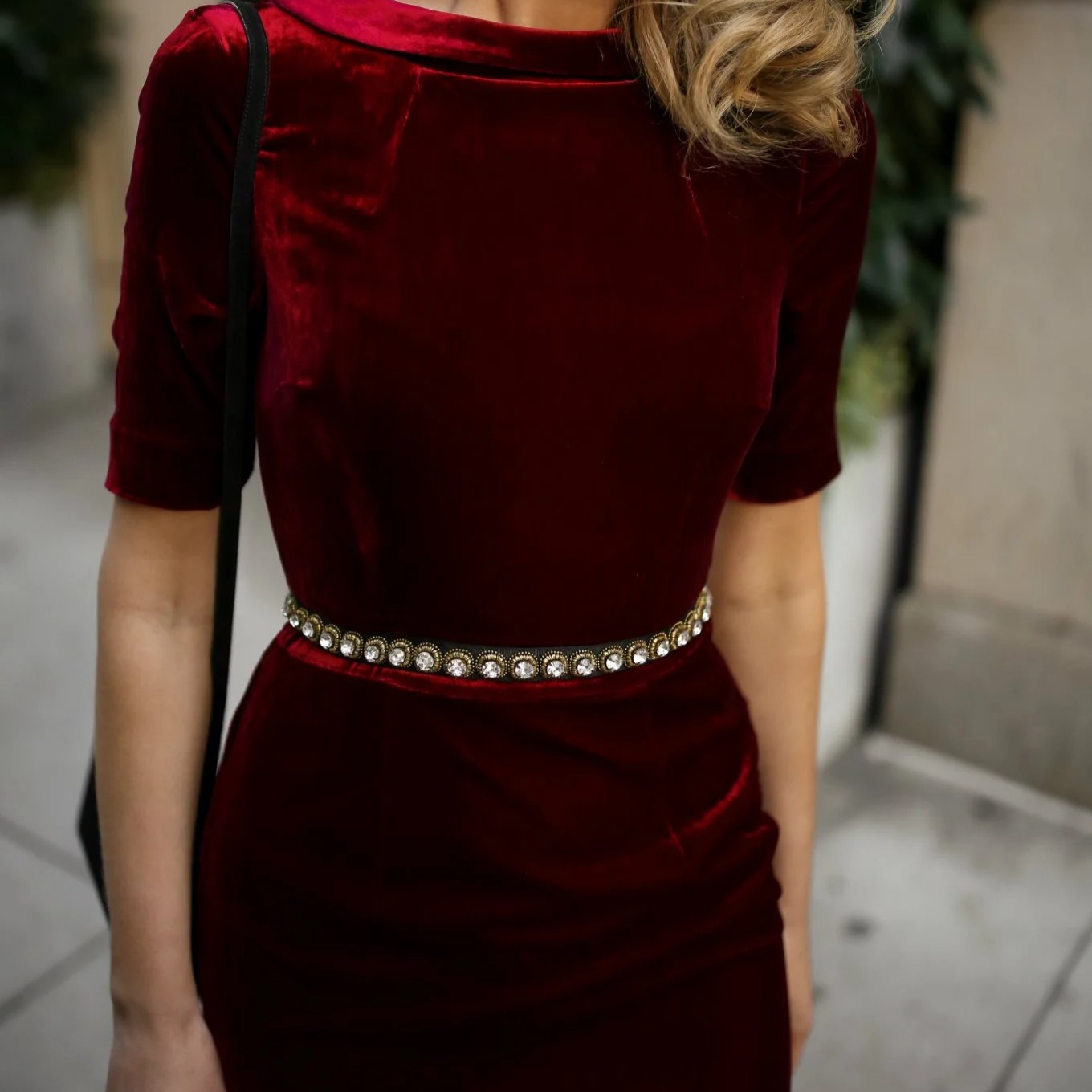
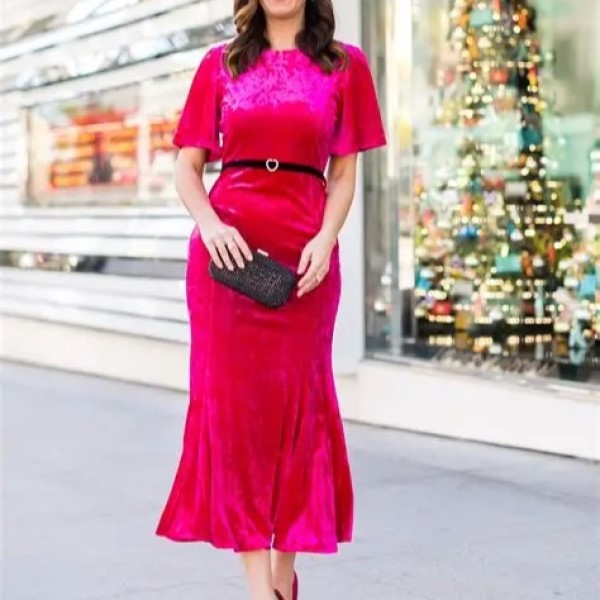
“Festive” implies color, sparkle, or holiday-themed pieces. Think metallic fabrics, red and green accents, or tasteful patterns. However, keep it professional. A sequined top works well. A full glitter jumpsuit might not.
“Casual” still requires effort. Clean jeans are okay if paired with a nice top or sweater. Sneakers should be minimalist and tidy. Never show up in gym clothes or flip-flops. Even relaxed settings demand basic grooming standards.
By knowing these definitions, you align your outfit with expectations. Consequently, you feel confident and comfortable all night.
 Industry-Specific Attire Guidelines for Different Workplaces
What’s appropriate varies greatly by profession. In corporate finance or law firms, standards remain high even at holiday events. Employees often wear full suits or formal dresses. Flashy outfits may seem unprofessional. Therefore, lean toward classic elegance.
Creative industries like advertising or design embrace boldness. You can experiment with colors, textures, and unique silhouettes. A patterned blazer or statement earrings fits right in. Some teams even host themed parties. These allow playful costumes or vintage looks.
Tech startups usually favor casual vibes. Hoodies, jeans, and sneakers are common. However, adding a festive touch shows effort. Try a holiday graphic tee under a smart jacket. Or wear colorful socks with your usual outfit. Small details make a difference.
Healthcare workers might attend hospital galas or team dinners. Scrubs stay at work. Instead, opt for modest yet festive clothing. Dresses with long sleeves or layered looks handle cooler venues well. Comfortable shoes matter due to long hours on feet.
Education staff often gather at school halls or local diners. Teachers may dress slightly above everyday schoolwear. A nice sweater with dark jeans strikes the right balance. Holiday pins or scarves add cheer without excess.
Always assess your workplace culture before choosing. When in doubt, err on the side of professionalism.
Adjusting for Company Size and Office Hierarchy
Smaller companies often have looser dress codes. Everyone knows each other. The atmosphere feels more personal. As a result, casual or quirky outfits gain acceptance. Still, remember that bosses and clients may attend. Maintain respect through neat grooming and coordination.
Larger corporations tend to follow stricter norms. Multiple departments mix. Senior leaders may circulate. Under these conditions, conservative choices reduce risk. A sleek dress or pressed shirt signals awareness of protocol.
Also, consider your role. Entry-level employees benefit from dressing slightly nicer than peers. It shows ambition and attention to detail. Managers and executives should reflect authority and taste. Flashy or revealing clothes distract from leadership presence.
Interns and new hires face extra scrutiny. First impressions matter. Aim for clean lines, solid colors, and minimal accessories. You want to be remembered for your attitude—not an outrageous outfit.
Ultimately, matching your attire to both company size and position helps you blend in appropriately. Balance individuality with workplace expectations.
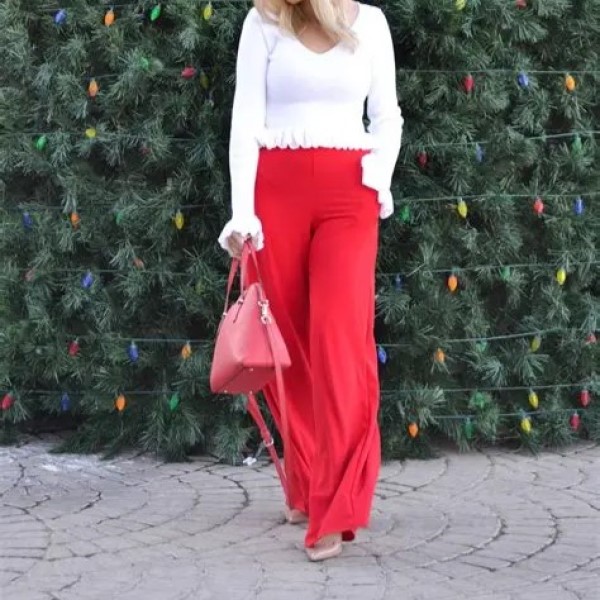 Seasonal Considerations: Staying Warm and Stylish
Winter weather plays a big role in your outfit plan. Cold temperatures mean you can’t just focus on appearance. Function matters too. You must stay warm when traveling to and from the venue. Therefore, layering becomes essential.
Start with a base layer under your outfit. Thin thermal tops or tights add warmth without bulk. Choose neutral tones so they don’t show at cuffs or hems. Next, bring a stylish coat or wrap. Wool blends, faux fur, or tailored jackets work well.
For women, a floor-length coat pairs nicely with cocktail dresses. Remove it indoors to reveal your look. Men can wear overcoats in charcoal or navy. These complement most suit combinations. Always check the venue has coat storage. Crowded racks mean you’ll need a compact option.
Footwear presents another challenge. High heels may slip on ice. Boots are practical but must match your outfit. Knee-high or ankle boots in black or brown offer versatility. Waterproof soles prevent snow damage.
Additionally, carry a small bag for gloves, lip balm, and touch-up items. Cold air dries skin quickly. A compact mirror and moisturizer help maintain freshness throughout the night.
Managing Indoor-Outdoor Transitions Smoothly
Moving between cold streets and heated rooms affects comfort and style. Sweating indoors ruins crisp fabrics. Shivering outside damages confidence. Plan ahead to handle shifts seamlessly.
Choose breathable materials. Cotton, silk, and merino wool regulate temperature better than synthetics. Avoid bulky sweaters that trap heat. Instead, use lightweight cardigans or shawls you can remove easily.
If wearing a dress, consider opaque tights. They provide warmth and prevent static cling. Matte finishes look more professional than shiny ones. Pair them with closed-toe shoes for added protection.
Men should avoid heavy knitwear under suits. A thin sweater vest adds warmth without puffiness. Layering too much distorts the suit’s fit. Also, remove outerwear promptly upon arrival. Holding a coat all night looks awkward.
Finally, let your outfit breathe. Don’t rush into overheated spaces with all layers on. Pause near entrances to adjust. This small pause keeps you composed and ready to mingle.
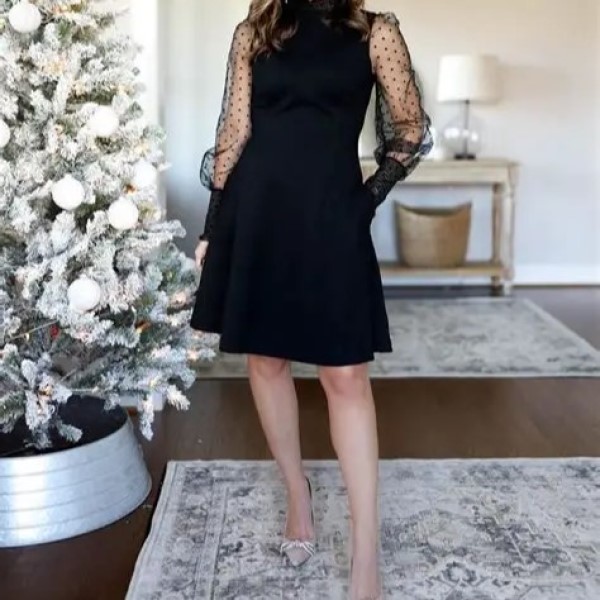 Accessorizing Without Overdoing It
Accessories elevate your look—but only when used wisely. The goal is enhancement, not distraction. Start with jewelry. A single standout piece draws attention. For example, chandelier earrings or a bold necklace works. Just avoid wearing both together.
Holiday-themed accessories add charm. Think reindeer brooches, snowflake pins, or Santa cufflinks. These show spirit without seeming childish. Keep them subtle enough for office appropriateness.
Bags should be functional and proportional. A clutch holds essentials without bulk. Crossbody styles free your hands for drinks and handshakes. Avoid large tote bags—they belong in meetings, not parties.
Belts, scarves, and ties offer color pops. Use them to introduce festive hues. Red, gold, or deep green stand out against neutral bases. Ensure patterns don’t clash with your main outfit.
Remember, less is often more. Too many elements compete for attention. Choose two or three accessories max. That way, your overall look stays balanced and intentional.
Shoe and Bag Choices That Complete Your Outfit
Footwear defines both style and comfort. Heels make a strong impression. However, tall stilettos fail on icy sidewalks. Opt for block heels or wedges. They offer stability and height. Flats are acceptable if polished and elegant.
Men should wear leather dress shoes. Loafers or oxfords in black or brown pair well with most outfits. Shine them beforehand. Scuffed shoes undermine even the best suit.
For bags, prioritize simplicity. A small envelope clutch fits phone, keys, and lipstick. Metallic finishes enhance holiday themes. Avoid oversized purses or backpacks. They disrupt sleek silhouettes.
Crossbody bags made of velvet or satin bridge casual and formal. They work especially well for creative workplaces. Just ensure straps are short enough to stay neat.
Lastly, test your full ensemble at home. Walk around in your shoes. Sit down with your bag on your lap. Confirm everything stays in place. Practice ensures confidence when it counts.
Frequently Asked Questions
Can I wear jeans? Only if the event is casual. Dark, clean jeans with a nice top or blazer may be acceptable. Avoid rips or fading.
Is it okay to wear an ugly sweater? Yes—if the invite says so. Otherwise, treat it as a joke piece. Pair it with tailored pants to balance humor and professionalism.
Should I match my partner’s outfit? No. Coordinate colors instead. Wearing identical looks seems forced. Stick to complementary tones.
Can I wear open-toed shoes? Indoors, yes—if feet are groomed. Outdoors in winter, no. Protect yourself from cold and hazards.
Do I need to wear a tie? For men, only if the dress code requires it. Cocktail or business formal usually does. Casual events do not.
Are tattoos okay to show? Generally yes. But cover large or controversial ones if unsure. Workplace sensitivity varies.
Can I bring a gift? Not required. Some teams do Secret Santa. Follow group plans rather than going solo.
Is perfume or cologne okay? Use lightly. Strong scents bother some people. Respect shared spaces.
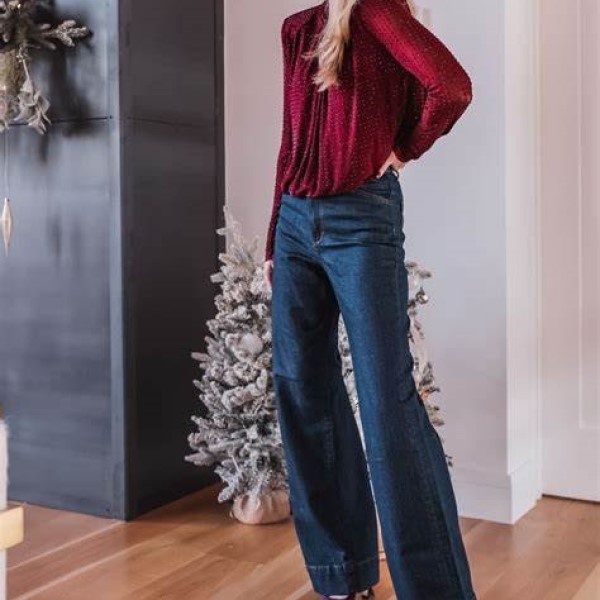 Final Thoughts on Nailing What to Wear to a Work Christmas Party
Choosing what to wear doesn’t have to be stressful. With the right approach, you can enjoy the party feeling confident and put together. The key is preparation. Know your workplace culture. Read the invitation closely. Then select an outfit that balances festivity and professionalism.
Above all, remember that what to wear to a work christmas party is about respect—respect for your colleagues, your employer, and yourself. You’re celebrating as part of a team. Your clothing should reflect that unity. At the same time, allow room for personal flair. A pop of color, a favorite accessory, or a well-chosen shoe can express your individuality.
Whether you’re attending a gala dinner or a cozy happy hour, thoughtful dressing pays off. It builds credibility. It boosts self-esteem. And it ensures you leave a positive impression. So take your time, plan ahead, and embrace the season with style. After all, what to wear to a work christmas party isn’t just about clothes—it’s about showing up as your best self during a special moment.