A quilted coat pattern offers crafters the perfect way to design a warm, stylish, and personalized winter garment. These patterns guide you step-by-step in making a coat with stitched fabric squares or diamonds that trap heat and add visual texture. Whether you’re sewing for fashion, function, or both, using a quilted coat pattern ensures professional results. The quilting technique not only enhances insulation but also creates a classic look seen in puffer jackets, barn coats, and vintage outerwear.
Moreover, creating your own quilted coat allows full control over fit, fabric, and details. You choose the length, sleeve style, and closure type. As more people embrace slow fashion, handmade quilted coats are gaining popularity. With the right quilted coat pattern, even beginners can achieve impressive outcomes.
 Introduction to Quilted Coats
Quilted coats provide style, warmth, and function. They are characterized by their stitched patterns.
What is a Quilted Coat?
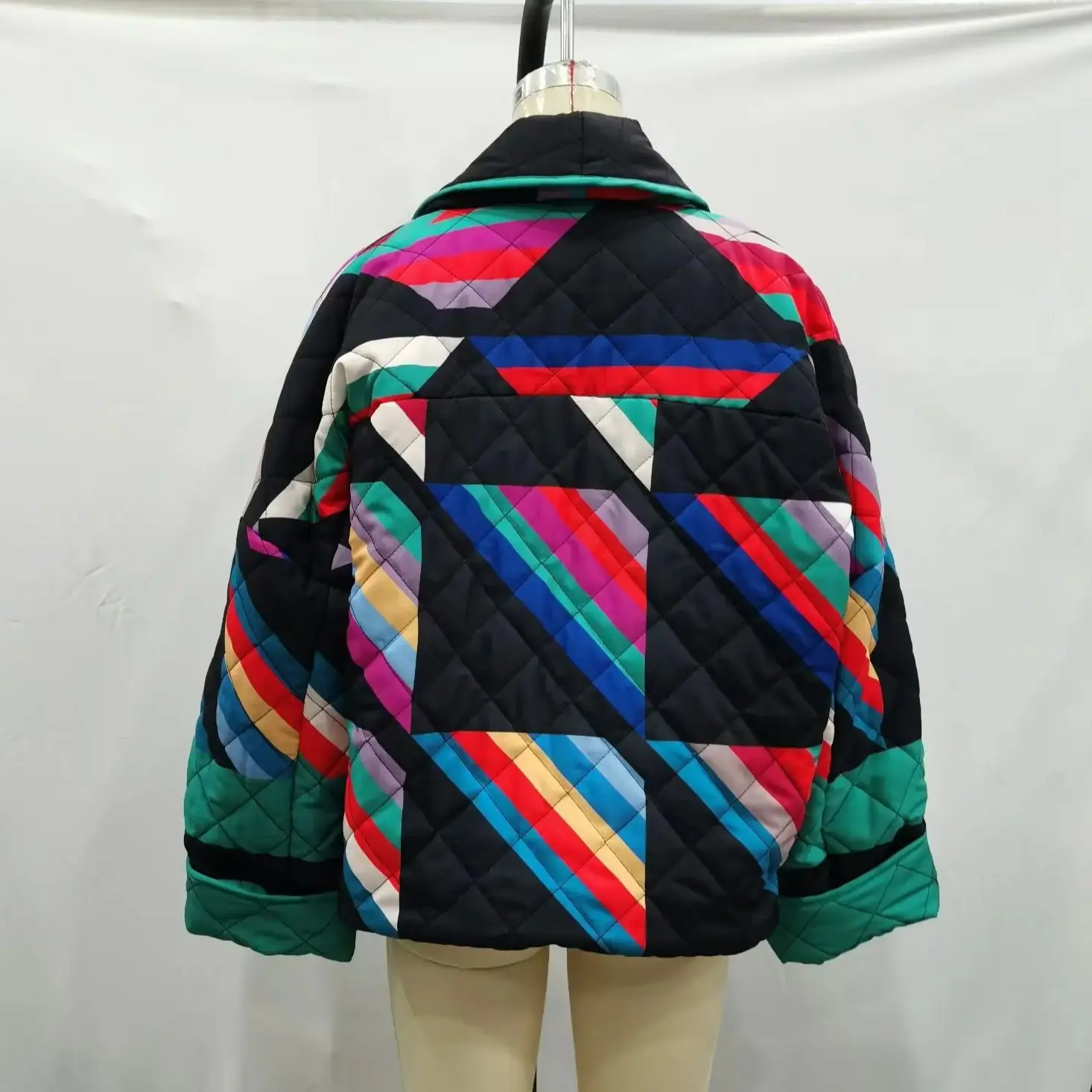
A quilted coat is outerwear with stitched layers for insulation. These layers typically consist of an outer fabric, inner padding, and often a lining. The stitching creates patterns that enhance durability and style. Popular quilted coat patterns include diamond, geometric, and linear designs.
History and Evolution of Quilted Coats
Quilted coats have a rich history dating back centuries. Initially, they served a practical purpose for warmth in colder climates. Over time, designs evolved, integrating artistry and style. They gained prominence in military attire before becoming popular in everyday fashion. Today, quilted coats are valued for their aesthetic appeal and functionality, blending tradition with modern trends.
Benefits of Quilted Coat Patterns
Quilted coat patterns blend practicality with style, offering multiple advantages beyond their unique looks.
Warmth and Comfort
Quilted coat patterns are designed to trap heat effectively. The stitched layers keep body warmth inside while shielding against the cold. Padding within quilted coats adds soft insulation, providing immense comfort during chilly days. Their designs allow optimal heat distribution, making them ideal for harsh winter weather.
Durability and Longevity
The stitching strengthens quilted coats by holding the outer fabric and padding securely together. This feature reduces wear and tear over time, enhancing durability. Quilted patterns also resist deformation, maintaining the coat’s structure through frequent use. High-quality materials used in quilting contribute to the long-lasting nature of these coats.
Versatility in Design
Quilted coats come in various patterns, from diamond shapes to linear designs. These patterns suit different styles, ranging from classic to contemporary. Versatile quilted designs can complement both casual and formal outfits. Designers often experiment with quilting to create unique looks, ensuring options for various tastes and occasions.
 Popular Quilted Coat Patterns
Quilted coat patterns offer diverse designs that suit various tastes and styles. From classic to ornate, these patterns add character and functionality to your coat choices. Let’s explore some of the most popular quilted coat patterns.
Classic Diamond Quilt
The diamond quilt pattern features a timeless design of intersecting diagonal lines forming diamond shapes. It provides equal distribution of padding, ensuring consistent warmth and comfort. This pattern is highly durable, resisting deformation over time. Classic diamond quilts are versatile and pair well with both traditional and modern outfits. They are a go-to choice for those seeking elegance and practicality.
Horizontal and Vertical Quilts
Horizontal and vertical quilts offer sleek and minimalist designs with parallel lines. These patterns provide excellent insulation by retaining padding in organized sections. While horizontal quilts give a broad, relaxed look, vertical quilts create a slimming effect. They are ideal for casual wear, fitting effortlessly into everyday fashion. These patterns are simple yet stylish, making them a popular option for many.
Ornate Geometric Patterns
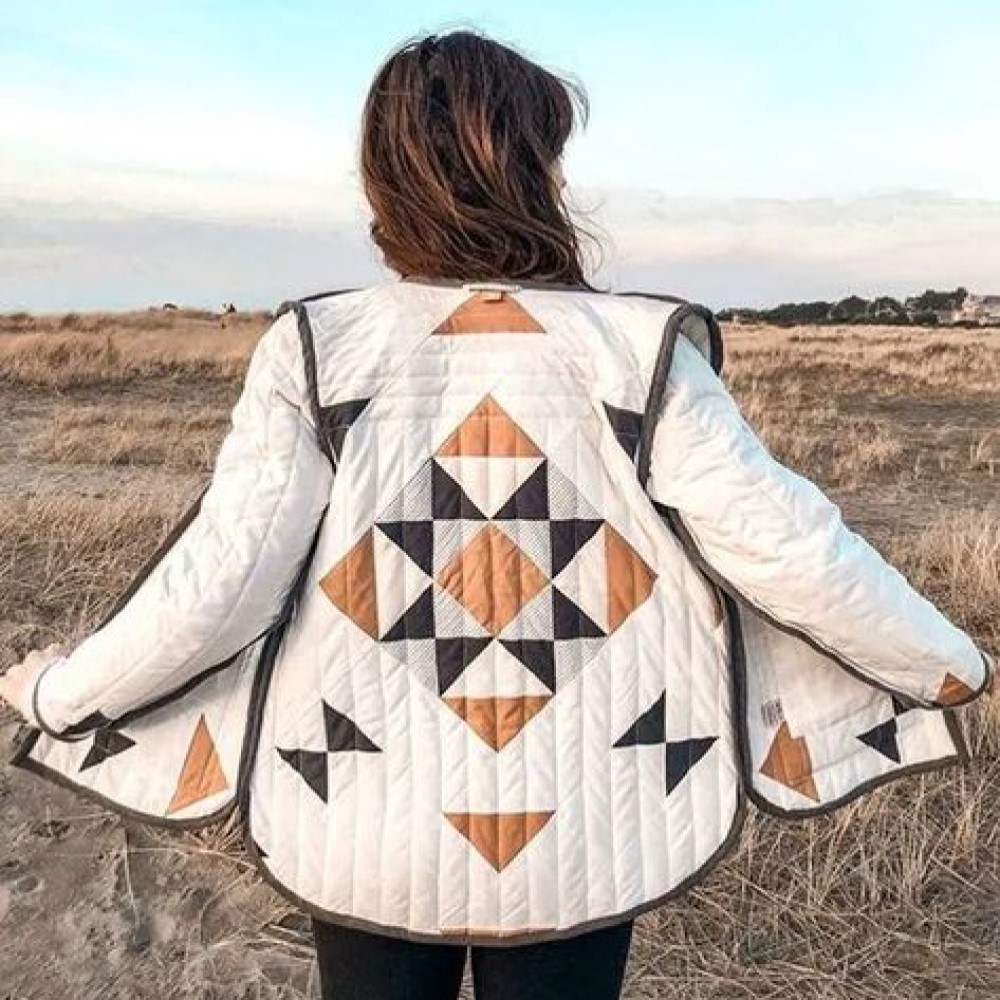
Ornate geometric patterns add a touch of creativity to quilted coats. They include intricate shapes like triangles, hexagons, and irregular designs. These patterns showcase artistry, making the coat stand out as a statement piece. Beyond aesthetics, they offer structural integrity, keeping the coat durable and warm. Ornate geometric quilts are perfect for those who want a unique and fashionable look.
Each of these quilted coat patterns combines function and fashion. Choosing one depends on your personal style and the occasion.
Materials Used
The materials used for quilted coat patterns determine their quality, warmth, and style. Key components of a quilted coat include the outer fabric, filling for insulation, and threads for stitching. Each plays a significant role in creating functional and aesthetically pleasing quilted coats.
Fabrics for the Outer Layer
The outer layer fabric greatly impacts durability, appearance, and overall performance of quilted coats. Common choices include:
- Cotton: Soft, breathable, and ideal for lightweight quilted jackets.
- Polyester: Provides water resistance and long-lasting wear.
- Wool: Offers superior warmth and a luxurious feel for colder climates.
- Nylon: Lightweight yet durable, perfect for all-weather quilted coats.
Selecting the right outer fabric depends on factors like climate, fashion preferences, and usage needs.
Types of Quilting Fillers
The filler materials define insulation, weight, and warmth of a quilted coat. Common fillers include:
- Down: Popular for its warmth and lightweight feel, widely used for winter coats.
- Synthetic fibers: Cost-effective alternative to down, suitable for all-weather insulation.
- Cotton batting: Soft and natural, usually preferred for lightweight quilted designs.
- Wool blend: Offers excellent warmth and thickness for added comfort.
Choosing the correct filler ensures optimal comfort and effectiveness based on seasonal needs.
Thread Selection for Quilting
Threads play an essential role in ensuring durability and enhancing style in quilted coats. Threads commonly used are:
- Polyester thread: Strong and resistant to wear, used for dense stitching patterns.
- Cotton thread: Provides a softer finish, commonly used for lighter quilting designs.
- Nylon thread: Durable and ideal for high-pressure and intricate patterns.
Thread choice affects stitch quality and coat longevity, making it a crucial consideration.
By thoughtfully choosing fabrics, fillers, and threads, quilted coat patterns can combine style with functionality.
Tips for Sewing Quilted Coats
Sewing quilted coats requires attention to detail, proper planning, and suitable tools. With these tips, you can create stylish and functional quilted coats at home.
Choosing the Right Patterns
Selecting the right quilted coat pattern is crucial for success. Follow these guidelines:
- Start with simple designs, such as diamond or straight-line patterns, for beginners.
- Consider the coat’s purpose – casual or formal – when picking patterns.
- Match patterns to fabric weight and coat style for balanced design and durability.
- Explore ornate geometric patterns for unique and creative looks.
Choosing the appropriate pattern helps ensure your coat is both stylish and functional.
Tools and Techniques for Quilting
Using the right tools and techniques greatly enhances your quilting results. Key tools and methods include:
- Tools Required:
- Quilting machine or hand-sewing needles for accurate stitching.
- Rotary cutters for precise fabric cutting.
- Quilting rulers for pattern alignment.
- Pins or clips to secure fabric layers during sewing.
- Techniques for Quilting:
- Layer fabric, padding, and lining neatly to avoid uneven stitching.
- Practice straight and curved stitches before working on the coat.
- Quilt smaller sections before joining them for better control over the project.
Proper tools and techniques simplify the quilting process and improve the quality of your coat.
Common Challenges and Solutions
Quilting a coat can come with challenges. Here’s how you can solve them:
- Challenge 1: Uneven stitching
- Solution: Use quilting rulers and mark guidelines on fabric before sewing.
- Challenge 2: Wrinkling fabric layers
- Solution: Pin or clip layers securely to prevent shifting while stitching.
- Challenge 3: Stitches breaking or threads fraying
- Solution: Use strong threads like polyester for better durability.
- Challenge 4: Difficulty matching patterns at seams
- Solution: Plan the pattern’s layout carefully and sew seams with precision.
Addressing challenges early ensures a smoother quilting process and a great final product.
With the right patterns, tools, and problem-solving strategies, sewing quilted coats can become an enjoyable and rewarding experience.
 Styling Quilted Coats for Various Occasions
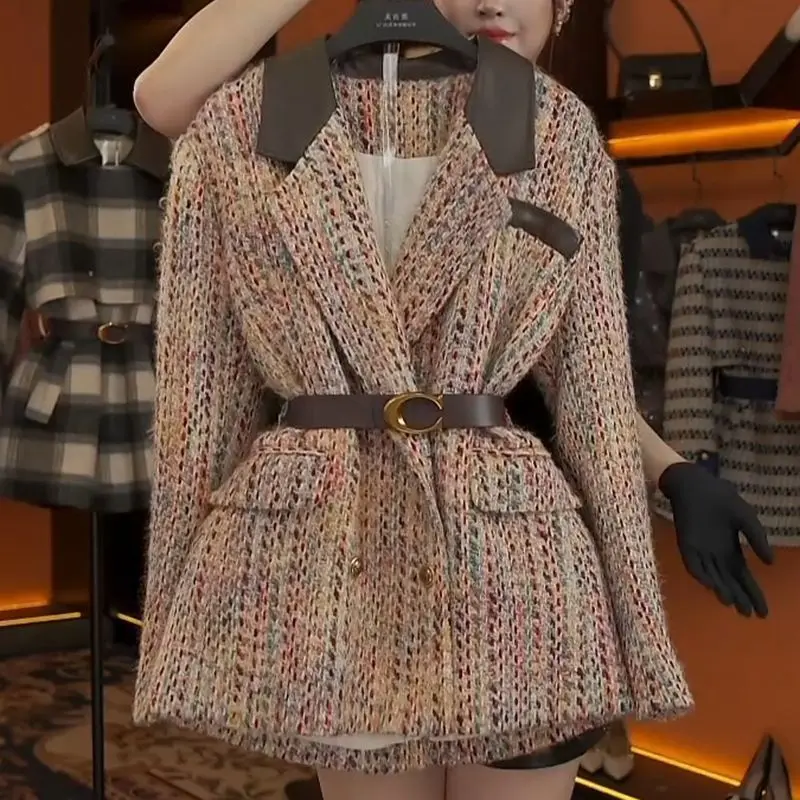
Quilted coats offer versatility in style for different occasions. Their adaptable designs make them wardrobe essentials. Below are styling tips to suit casual days, formal events, and seasonal trends.
Casual Everyday Outfit Ideas
Quilted coats are great for casual outings. Pair them with these combinations:
- Jeans and Sneakers: Team a short quilted coat with fitted jeans and stylish sneakers for a relaxed look.
- Leggings and Boots: Use a long quilted coat with leggings and knee-high boots, ideal for errands or walking.
- Turtleneck Sweater: Layer a patterned quilted coat over a turtleneck sweater for cozy and fashionable appeal.
- Scarves and Hats: Accessorize with colorful scarves or beanies to enhance a casual quilted coat outfit.
These easy combinations make quilted coats practical yet stylish for everyday moments.
Formal Quilted Coat Styling
Quilted coats can also shine in formal settings. Pair them with elegant outfits:
- Tailored Pants: Match a slim-fitting quilted coat with tailored trousers for a polished, professional vibe.
- Dresses: Wear a fitted quilted coat over midi or maxi dresses for evening events or gatherings.
- Heeled Shoes: Combine structured quilted coats with heeled boots or pumps for added sophistication.
- Neutral Colors: Choose quilted coats in black, navy, or beige to complement formal attire.
These tips help balance warmth and elegance for formal occasions.
Seasonal Variations in Design
Seasonal changes call for different quilted coat styles:
- Winter: Opt for thick, warm coats with down fillers or wool blends to stay insulated.
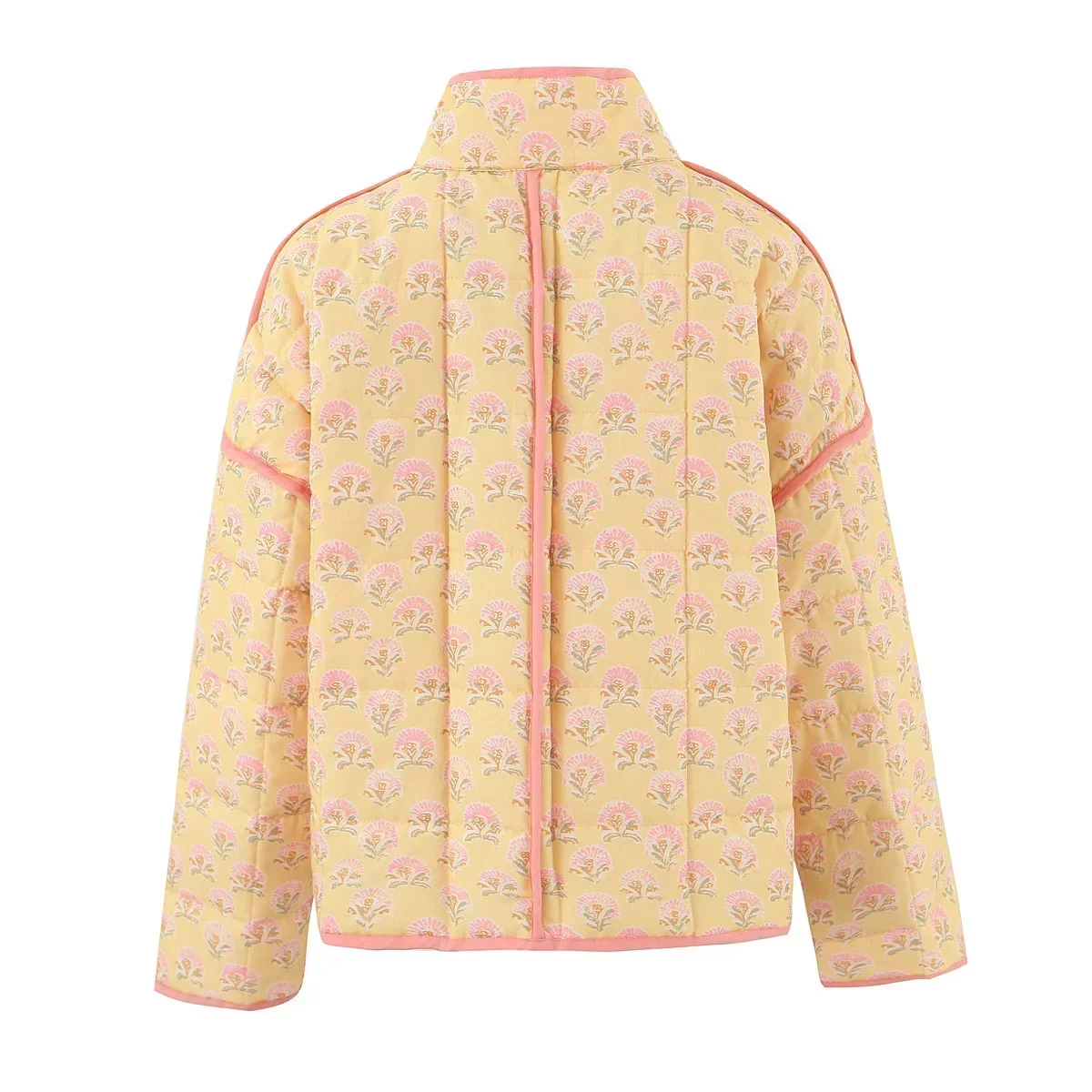
- Spring: Choose lighter quilted coats in pastel shades or floral patterns for a cheerful look.
- Autumn: Go for earthy tones, like olive or chestnut; pair them with scarves for a cozy style.
- Summer: Try lightweight quilted jackets or vests in breathable fabrics for added flair.
Adapt quilted coat designs to the season for comfort and style all year round.
Styling quilted coats for any occasion combines practicality with flawless fashion. Experiment with these tips to discover the best looks for you.
 Caring for Your Quilted Coat
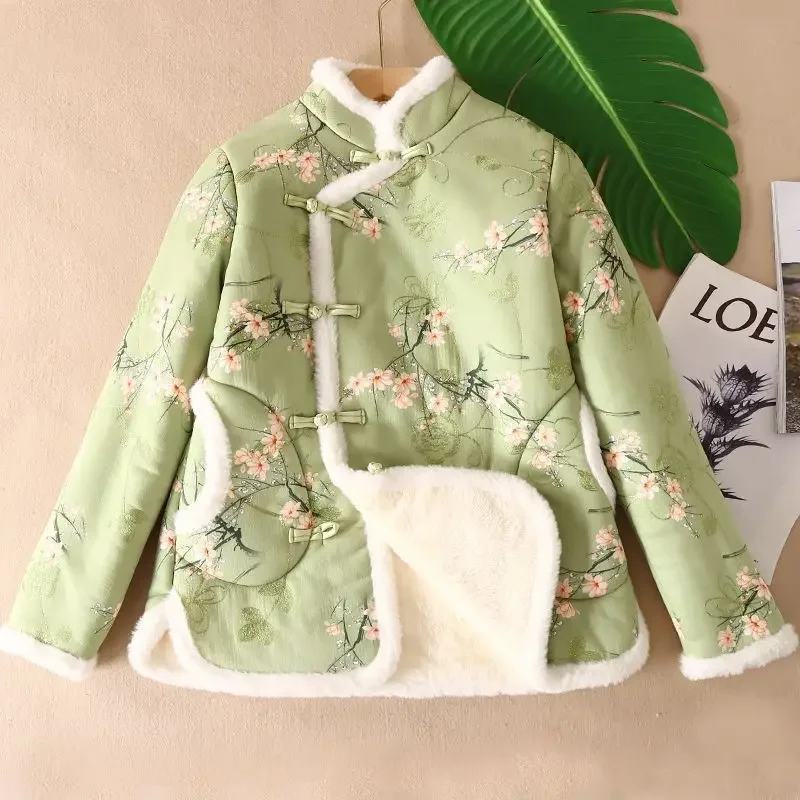
Proper care of your quilted coat extends its life and keeps it looking great. Adopting the right steps ensures durability, warmth, and style for years to come. Below, we explain how to clean, store, and repair your quilted coat effectively.
Cleaning and Maintenance
Cleaning is essential to maintain your quilted coat’s quality and hygiene. Follow these tips:
- Read the care label: Check for specific guidelines regarding washing or dry cleaning.
- Hand wash or machine wash carefully: Use mild detergent and cold water on a gentle cycle.
- Spot clean stains: Remove minor stains quickly with a damp cloth and mild soap.
- Avoid wringing or twisting: Gently press excess water out instead.
- Air dry: Lay the coat flat on a clean surface to dry naturally.
- Refresh often: Occasionally steam or fluff the coat to maintain its shape and loft.
Proper cleaning prevents both damage and odor, keeping your coat fresh and appealing.
Proper Storage Tips
Storing your quilted coat properly is crucial, especially during off-seasons. Consider these recommendations:
- Clean before storage: Store your coat clean to prevent stains from setting in deeper.
- Use a breathable garment bag: Choose a cotton bag to protect your coat from dust and mildew.
- Hang appropriately: Use sturdy hangers to maintain the coat’s shape.
- Avoid plastic bags: Plastic traps moisture, which can lead to mildew or damage over time.
- Keep in a cool, dry place: Avoid direct sunlight and damp areas to prevent fabric and filler deterioration.
- Add cedar or lavender sachets: These help deter moths and other pests naturally.
By storing your quilted coat properly, you can preserve its function and form effortlessly.
Repairing Wear and Tear
Timely repairs ensure longevity and prevent minor issues from becoming big problems. Follow these steps:
- Patch torn areas: Use fabric patches and iron-on adhesives for quick and neat fixes.
- Restitch loose threads: Sew back any loose threads along stitching lines to maintain durability.
- Fix broken zippers: Replace damaged zippers to avoid functional issues with the coat.
- Refluff thinning padding: Shift the filler manually to restore insulation and even distribution.
- Seek professional help: Consult a tailor for significant damage or intricate repairs.
Addressing wear and tear promptly keeps your quilted coat in excellent condition.
Caring for your quilted coat with the right methods ensures it remains stylish, warm, and long-lasting.
Frequently Asked Questions
Where can I buy a quilted coat pattern?
Online stores like Etsy, Mood Fabrics, and independent designers offer many choices.
Are quilted coat patterns beginner-friendly?
Some are. Look for “easy” or “intermediate” labels. Check reviews for feedback.
Can I wash a handmade quilted coat?
Yes. Use gentle cycle and mild detergent. Air dry to preserve shape.
How much fabric do I need?
It depends on size and length. Typically 3–5 yards. Always check pattern guide.
Do I need special thread?
Not always. Use strong polyester thread. Thicker needle for dense areas.
Can I use recycled materials?
Absolutely. Old blankets or comforters work as batting. Repurpose fabric too.
What sewing machine works best?
A heavy-duty or industrial machine handles thick layers. Walking foot helps.
Can men use women’s quilted coat patterns?
Yes. Adjust length and chest area. Modify collar or pocket style.
 Final Thoughts
Creating a coat from a quilted coat pattern is both rewarding and practical. It combines creativity with everyday usefulness. From selecting fabrics to wearing the final piece, every step brings satisfaction.
These handmade garments reflect personal style and skill. They also support sustainable fashion. Unlike mass-produced items, they last longer and carry meaning.
Whether you’re making a cozy barn coat or a sleek city jacket, the process builds confidence. The result fits perfectly and performs well.
For anyone who loves sewing, trying a quilted coat pattern opens new possibilities. It proves that beautiful, functional clothing can be made at home. With care and patience, your handmade quilted coat will become a wardrobe favorite for years.