The debate of kilt vs skirt is more than just a style choice. It touches on heritage, identity, and social norms. While both garments drape around the lower body, they serve different purposes. A kilt carries deep cultural meaning. A skirt is a widely accepted fashion item. Understanding kilt vs skirt helps appreciate their unique roles.
Many people confuse the two due to similar silhouettes. Both are knee-length or longer. Both allow freedom of movement. Yet, their origins and uses differ greatly. The kilt comes from Scotland. It represents clan pride and tradition. The skirt appears in nearly every culture. It adapts to trends and climates. Comparing kilt vs skirt reveals much about history and personal expression.
 The Historical Evolution of Kilts and Skirts
The Beginnings of Skirts in Ancient Times
Skirts date back to ancient times. Early on, both men and women wore skirts. They used them for warmth and body protection. Skirts evolved into a global fashion item. Over centuries, they have taken on many forms. Today, skirts are a staple in women’s clothing.
Kilts? Roots in Scottish and Irish Traditions
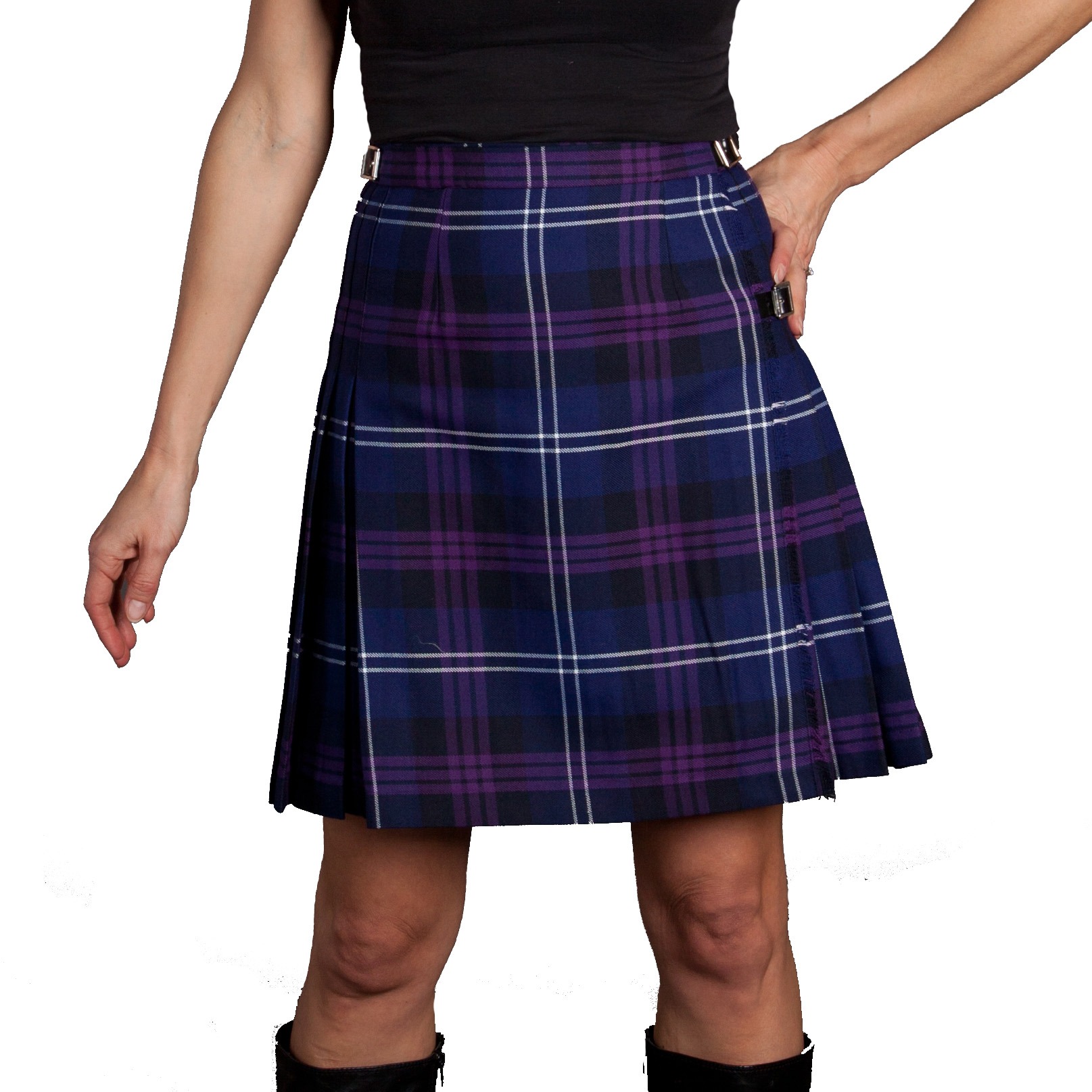
Kilts have deep Scottish and Irish roots. They began as traditional men’s wear. Originally, kilts showed clan ties with tartan patterns. They were practical for battle and outdoor life. Over time, they became symbols of heritage. Today, kilts are worn for cultural pride and fashion. They keep to tradition yet suit modern life.
Defining Features and Design Elements
Variations in Skirt Styles and Fabrics
Styles and fabrics of skirts vary widely. They range from mini to maxi lengths. They can be tight or flowing, following the body’s shape or free-falling. Skirts come in many textiles. These include denim, silk, cotton, and synthetic blends. Fabric choices often reflect current fashion trends. Some skirts also have prints or patterns, while others are solid in color. Design details may include pleats, ruffles, or a straight cut. Each design serves a different fashion need and style.
The Construction and Distinctiveness of Kilts
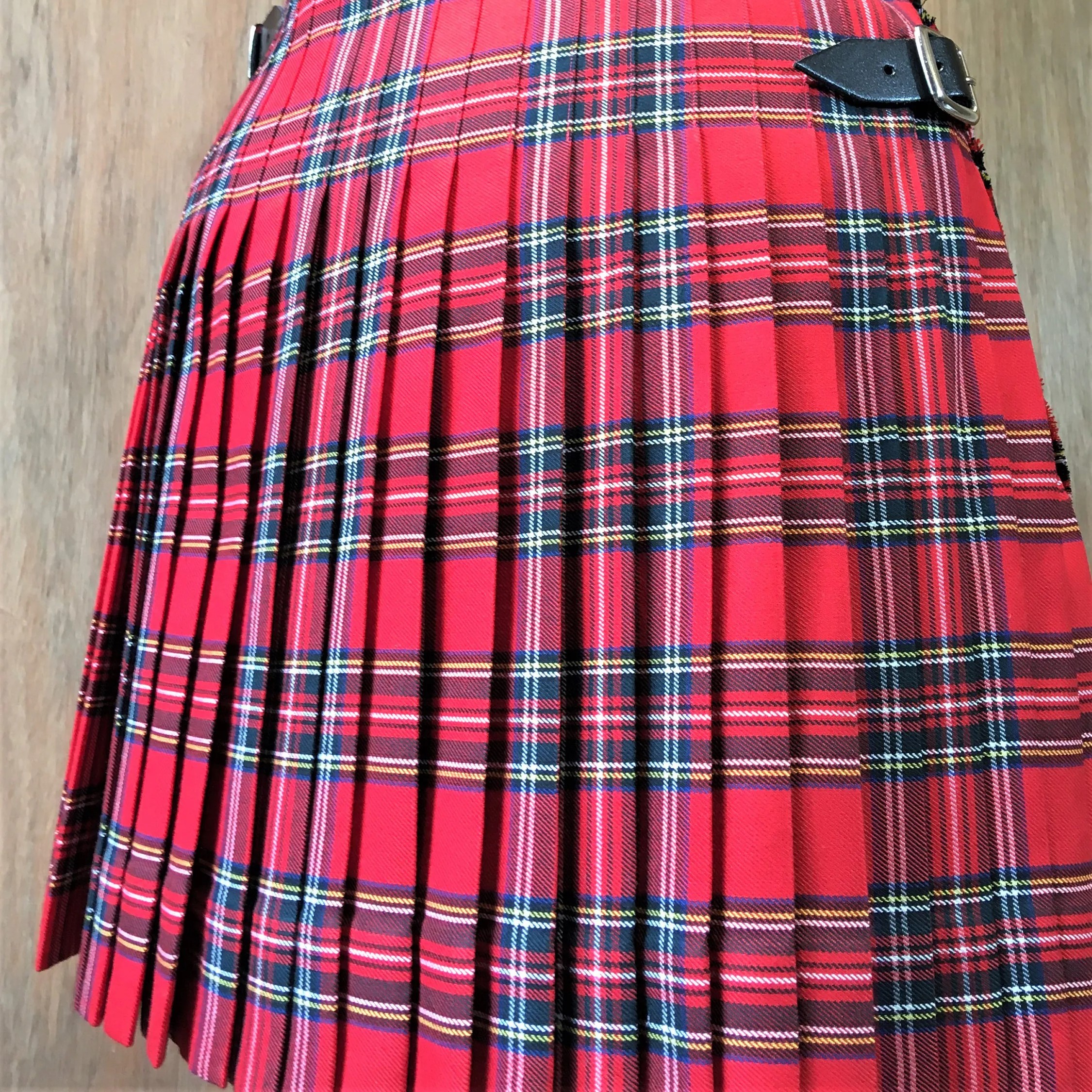
Kilts stand out with their unique construction. They feature pleats at the back and a flat front. Traditionally, they are made from tartan wool. This tartan is tied to Scottish clans. Modern kilts might use different fabrics like leather. Kilts wrap around the waist and fasten with buckles. They are knee-length and often worn with a sporran. This is a pouch that adds to both the look and functionality. Kilts align closely with Scottish and Irish heritage. They are a symbolic garb worn with pride to represent identity.
 Cultural and Symbolic Significance
Kilts as a Marker of Identity and Heritage
Kilts carry a deep cultural significance. They’re more than clothing; they represent Scottish and Irish lineage. Each tartan pattern reflects a family’s history and ties. This makes kilts cherished symbols of one’s heritage. Kilts mark important life events. They’re worn at weddings, festivals, and cultural fairs. These garments show a respect for tradition. Yet, they have adapted to modern times. Kilts allow wearers to display pride in their roots. They connect present fashion with historic values.
Skirts? Role in Fashion and Cultural Diversity
Skirts show fashion’s fluid nature. They adapt to changes across cultures. Skirts offer a canvas for self-expression. They come in countless shapes and variants, fitting any fashion scene. Elegant, casual, or traditional, skirts suit all occasions. They meet diverse personal tastes. Around the world, skirts blend into various cultural ensembles. They often signify femininity. Yet, recent times see skirts break traditional gender norms. This shift fosters greater style diversity. Skirts embody a wide cultural reach. They evolve as fashion does.
Practical Uses and Modern Adaptations
The Utility and Versatility of Kilts in Contemporary Fashion
Kilts have evolved far beyond their traditional roles. They’re not just for ceremonies or Scottish games anymore. In modern fashion, the kilt stands as a versatile garment. It’s suitable for daily wear, work environments, and casual outings. Designers have reimagined kilts with new fabrics and cuts. This makes them fit into a variety of settings. Utility kilts, with pockets and durable fabrics, are perfect for active jobs. They offer comfort and freedom of movement. Some even have adjustable straps and attachments, adding to their practical use. In various social gatherings, modern kilts can make a strong style statement too. They blend old-world charm with new-age fashion thinking. This makes kilts relevant and appealing in today’s fashion landscape.
Skirts as Dynamic Elements in Personal Wardrobes
Skirts are equally dynamic in modern wardrobes. They adapt to different lifestyles with ease. From the workplace to a night out, skirts can match any occasion. They come in an array of styles like pencil, A-line, or maxi. This allows for endless outfit combinations. Skirts also vary greatly in materials. Light fabrics like chiffon are ideal for summer. Heavier materials like wool are best for cooler months. Skirts cater to personal comfort while offering elegant looks. Designers keep reinventing skirt styles. They might add innovative features like pockets or adjustable waistbands. This makes skirts not just fashionable but also functional. Whether dressing up or keeping it casual, skirts provide a flexible option for expressing personal style.
 Gender Perspectives in Kilt VS Skirt Wearing
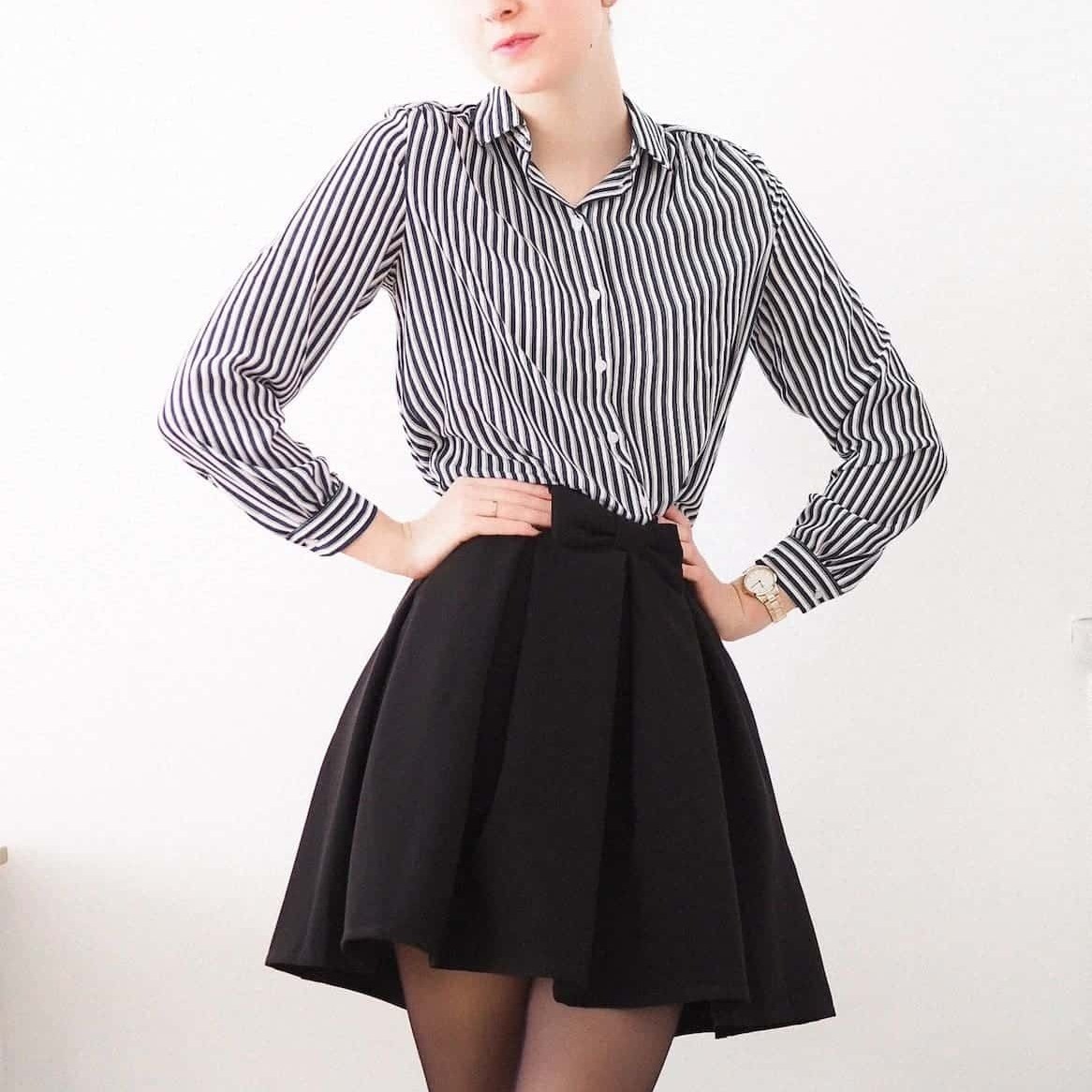
The way kilts and skirts are viewed in terms of gender has evolved.
Kilts and the Challenge to Masculine Traditions
Kilts were once strictly for men, rooted in Scottish culture. They symbolized masculinity and strength. Today, they are worn by all, breaking old gender norms. In this way, kilts challenge traditional ideas of masculinity. They allow people to explore fashion without gender limits.
Skirts and the Changing Landscape of Gender Norms
Skirts, long tied to femininity, are also changing. Many cultures now see men wearing skirts too. This shift shows that clothing is not bound by gender. Skirts are for anyone who chooses to wear them. This reflects a broader move towards gender-fluid fashion. It supports the idea that style is personal and free from strict gender roles.
Accessorizing Kilts and Skirts
Accessorizing can enhance the look of both kilts and skirts. It brings out their unique styles and reflects personal taste.
Traditional and Modern Accessories for Kilts
Kilts often pair with both traditional and modern accessories. For a classic look, sporrans, kilt pins, and sgian-dubhs are common. Sporrans add functionality as well as style, providing a space to carry items. Kilt pins add a touch of elegance and can signify clan heritage. Sgian-dubhs, small ceremonial knives, tuck into kilt hose for formal events. Modern accessories include belts with decorative buckles and contemporary sporrans that suit casual settings. Leather boots or brogues can complete the outfit, blending past with present.
How Skirts are Accented in Diverse Fashion Styles
Skirts have many accessories to choose from. Belts and sashes can define the waist and change the garment’s silhouette. Jewelry like necklaces or bracelets can coordinate with a skirt’s color or pattern. Tights or stockings keep the look appropriate for the season. Bags from clutches to totes pair well with skirts for different occasions. Shoes range from flats and sandals to boots and heels, depending on the skirt’s style. These accessories help skirts fit any style, from daily wear to special events.
 Kilts and Skirts: Common Ground and Distinctions
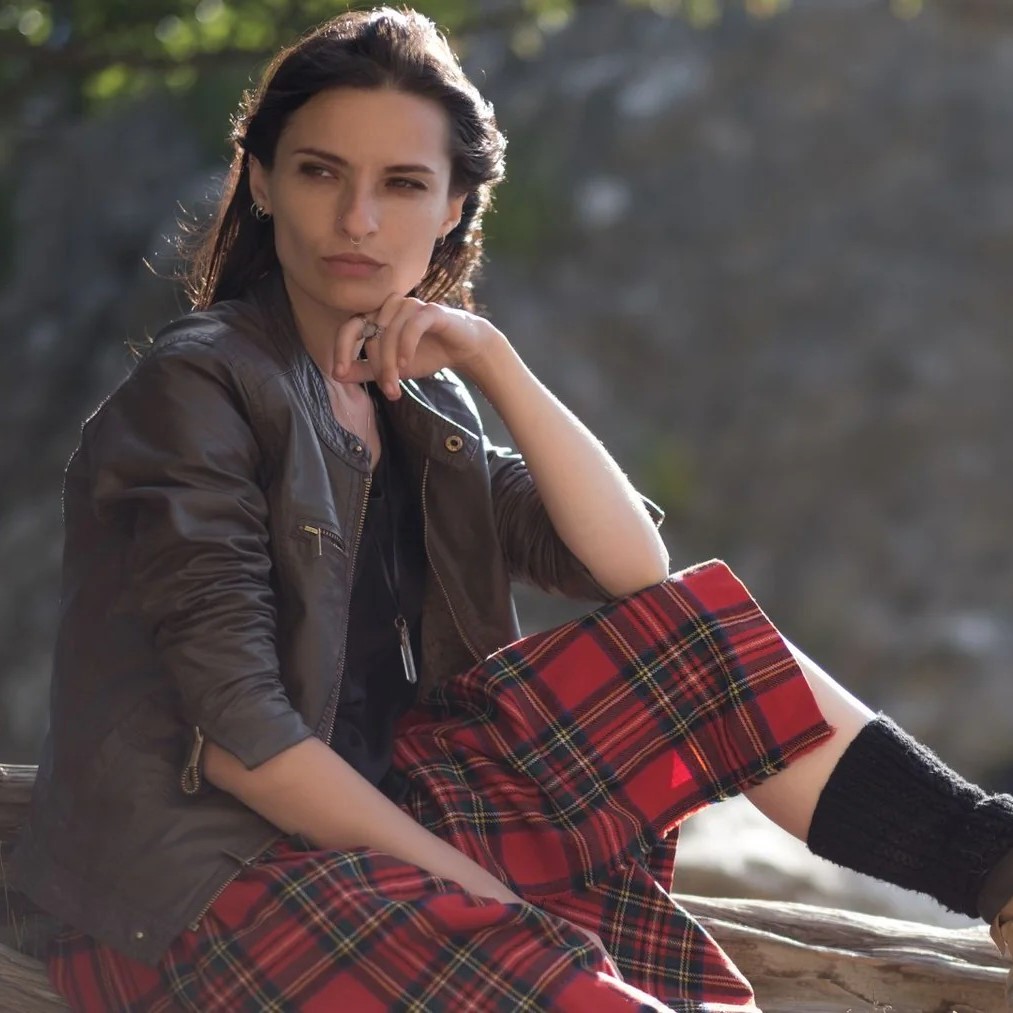
Kilts and skirts share common features. Both wrap around the waist and cover the lower body. They come in various lengths and styles. Some kilts and skirts have pleats for a structured look. Both can be symbols of cultural identity and individual style. They are versatile and can be adapted for different occasions. From casual wear to formal events, both garments offer personal expression through fashion.
The Unique Aspects Differentiating Kilts from Skirts
While kilts and skirts have similarities, several factors set them apart. Kilts are often linked to Scottish and Irish culture. Traditional kilts are knee-length and made from tartan, connecting wearers to their heritage. On the other hand, skirts don’t have such specific cultural ties. Skirts come in endless fabric and style choices, from denim to chiffon, suiting various tastes. Moreover, kilts are historically men’s wear, challenging gender norms in fashion. Skirts are widely considered women’s attire, though this is changing. Kilts typically feature specific embellishments like sporrans and kilt pins. Such distinct accessories are less common with skirts. This difference highlights kilts’ ceremonial importance versus skirts’ broader fashion use.
Comfort, Mobility, and Use
Kilts offer excellent mobility. The lack of seams between the legs allows wide strides. Sitting, walking, and dancing feel natural. Wool regulates temperature. It keeps warm in cold weather. Sweat wicks away in heat. Function supports form.
However, kilts provide no pockets. A sporran or belt pouch is needed. Wind can lift the fabric. Some wear shorts underneath. These practical tips improve daily use. Tradition meets modern life.
Why Skirts Are Popular for Daily Wear
Skirts win for everyday comfort. Lightweight materials reduce heat. Loose cuts prevent chafing. Many include built-in shorts. This adds coverage and ease. Movement stays unrestricted.
Seasonal changes affect choices. Linen skirts cool in summer. Velvet warms in winter. Layering works well. Tights, boots, and jackets adapt looks. Skirts suit quick changes. They require less care than kilts.
Occasions and Appropriate Use
Kilts appear at formal and ceremonial events. Weddings, graduations, and Highland games are common. Pipe bands and dancers wear them proudly. Military units still use kilts in parades. They are not casual wear. Respect for the garment matters.
Wearing a kilt requires knowledge. Matching accessories matter. Socks, shoes, and sgian-dubh (small knife) follow rules. Improper use can offend. Tourists sometimes treat it as a costume. Locals notice the difference.
Everyday and Formal Skirt Wear
Skirts fit many daily situations. School uniforms include pleated styles. Office environments accept pencil skirts. Beach outings call for flowy cover-ups. Gym classes may allow athletic skirts. Versatility defines their role.
Formal events elevate skirt designs. Evening gowns, cocktail dresses, and bridal wear all include skirts. Embellishments like lace, sequins, and ruffles add flair. Unlike the kilt, the skirt rarely carries ritual meaning. It focuses on aesthetics and comfort.
Frequently Asked Questions About Kilt vs Skirt (F&Q)
Is a kilt just a type of skirt?
No, a kilt is not simply a skirt. It has distinct cultural roots. Tailoring methods differ. Usage and symbolism set it apart. Calling it a skirt overlooks its heritage.
While both drape, only the kilt carries clan identity. It follows strict design codes. The term “kilt vs skirt” highlights these differences.
Can women wear kilts?
Yes, women can wear kilts. Some choose modified versions. Others wear tartan skirts inspired by kilts. Traditional Highland dress remains male-focused.
Female athletes in pipe bands may wear kilted outfits. Designers create hybrid styles. Acceptance grows, but tradition guides use.
Are kilts comfortable in hot weather?
Yes, kilts breathe well. Wool moves moisture. Air flows freely around the legs. Many find them cooler than trousers.
Dark colors absorb heat. Light linings help. Hydration and shade improve comfort. Kilts work in warmth if chosen wisely.
Do you wear underwear under a kilt?
This depends on personal choice. Some follow “true Scots” tradition. Others prefer modesty. Shorts or briefs are common today.
Public events may influence decisions. Hygiene and activity level matter. There is no single rule. Comfort comes first.
Why don’t more men wear skirts?
Social norms discourage it. Masculinity is often tied to pants. Fear of judgment stops experimentation. Media shapes perception.
The kilt avoids stigma due to tradition. Other skirts lack that shield. Change is slow but growing.
Can I wear a kilt casually?
It’s not typical. Kilts are formal or ceremonial. Wearing one to a store may draw attention. Some modern “casual kilts” exist.
These use lighter fabrics. Pockets and zippers improve function. Still, most reserve kilts for special times.
 Conclusion
The kilt vs skirt debate goes beyond fabric and cut. It involves culture, identity, and social values. The kilt stands as a proud emblem of Scottish heritage. It resists fashion cycles. The skirt adapts to trends and needs. It thrives on variety.
Both offer freedom and style. Yet their meanings differ. One honors tradition. The other embraces change. Understanding kilt vs skirt enriches how we see clothing. It reminds us that what we wear tells a story. Whether choosing pride or fashion, each garment has its place.