The wrap dress pattern is a timeless favorite among sewists and fashion lovers alike. Known for its flattering silhouette and adjustable fit, it drapes elegantly over the body while offering comfort and versatility. Whether you’re a beginner or an experienced seamstress, working with a wrap dress pattern opens up endless possibilities for customization. From casual cotton versions to elegant evening styles in silk, this design flatters nearly every body type. Its signature front wrap closure creates a V-neckline that elongates the torso. At the same time, the tied waist accentuates curves naturally. Because of these features, the wrap dress pattern remains a staple in both ready-to-wear collections and home sewing circles.
Moreover, the wrap style has deep roots in fashion history. Made famous by Diane von Fürstenberg in the 1970s, it symbolized freedom, confidence, and feminine strength. Today’s patterns honor that legacy while adapting to modern tastes. Many include updated sleeves, length options, and pocket variations. Some are designed for stretch fabrics. Others work best with wovens like rayon or crepe. With so many choices available, selecting the right wrap dress pattern depends on your skill level, fabric preference, and desired look. This article explores everything from fitting tips to styling ideas—helping you create a garment that fits perfectly and feels uniquely yours.
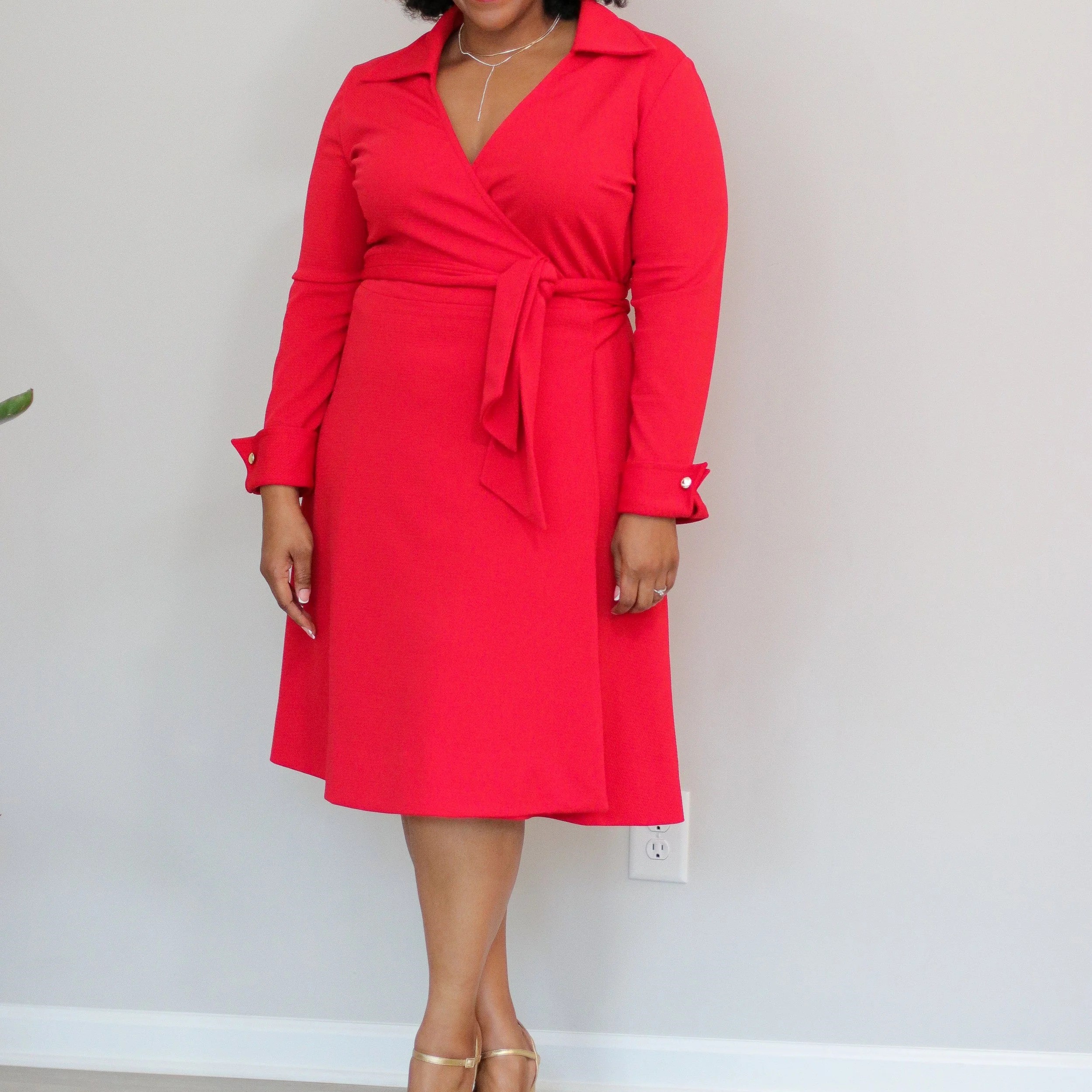 What is a Wrap Dress?
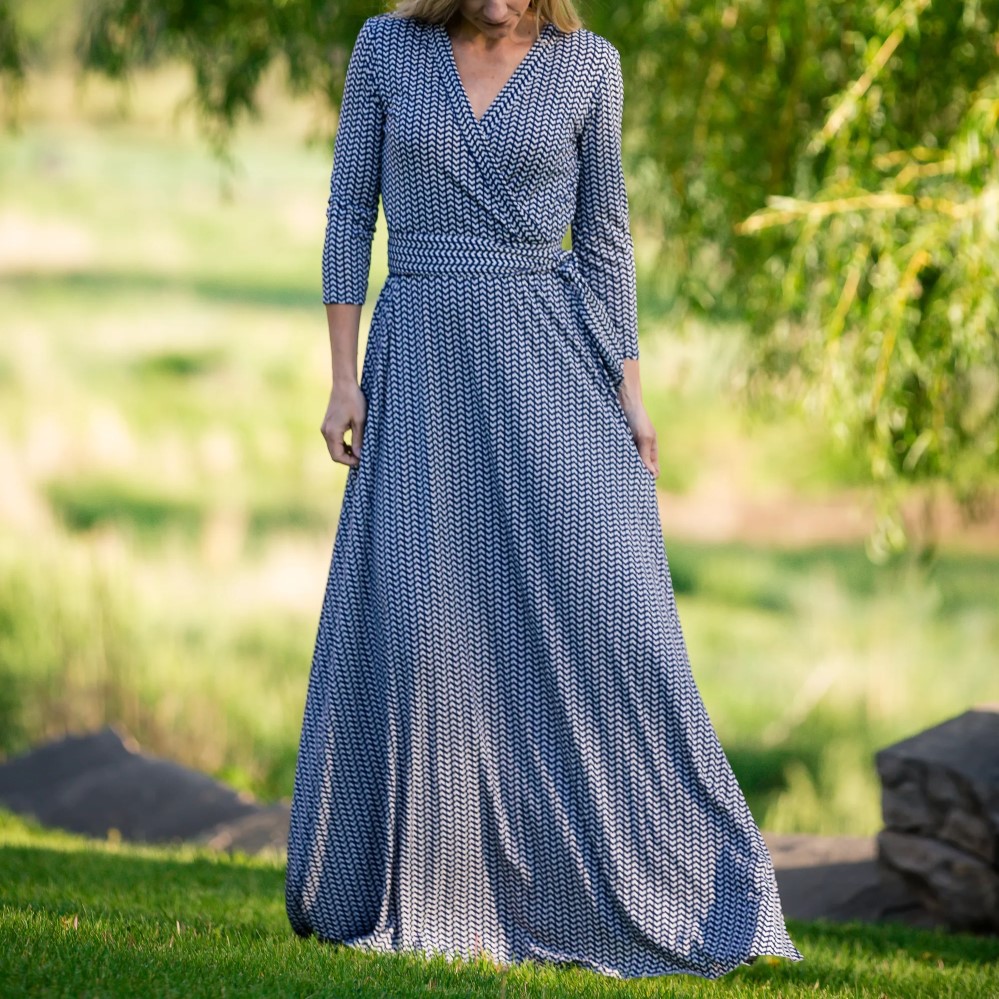
Wrap dresses are a timeless and versatile wardrobe staple. They feature a unique design that wraps around the body and ties at the waist. This design flatters various body types and allows for easy adjustments.
Characteristics and Features of Wrap Dresses
- Adjustable Fit: Wrap dresses use ties, providing a customizable and comfortable fit.
- V-Neckline: This neckline is created when the fabric overlaps in the front.
- Waist Definition: The wrap design cinches the waist, enhancing a feminine silhouette.
- Versatility: These dresses come in various sleeve lengths, skirt styles, and fabrics.
- Easy to Wear: There are no zippers or buttons; you simply wrap and tie.
Why Wrap Dresses are Popular
- Flattering on All Body Shapes: They create balance and highlight the waist.
- Comfortable: The adjustable fit makes them great for all-day wear.
- Perfect for All Occasions: Whether casual or formal, they suit any setting.
- Timeless Style: First popularized in the 1970s, wrap dresses remain stylish today.
- Beginner-Friendly for Sewing: They are simple to create, even for those learning to sew.
Wrap dresses combine elegance, comfort, and practicality, making them a must-have item.
Choosing the Right Fabric for Your Wrap Dress
Selecting the right fabric is crucial for creating a stunning wrap dress. Fabric choice affects the dress’s look, feel, and wearability. Consider factors like texture, weight, stretch, and durability when making your decision. A suitable fabric enhances comfort and ensures the wrap dress drapes beautifully.
Best Fabrics to Use
- Jersey Knit: Flexible, stretchable, and soft, this is perfect for a fitted wrap dress.
- Cotton: Lightweight and breathable, ideal for casual and summer wrap dresses.
- Silk: Luxurious and smooth, great for elegant and formal designs.
- Chiffon: Light and flowy, excellent for creating a delicate, layered look.
- Linen: Durable and airy, perfect for warm weather outfits.
When shopping for fabric, prioritize quality and matching the material to the occasion. Ensure the fabric complements the dress design and fits your sewing skills.
Tips for Selecting Fabric Based on Style and Comfort
- Consider Occasion: Formal dresses may require silk; casual dresses work better with cotton or linen.
- Evaluate Stretch: For fitted styles, choose fabrics with elasticity like jersey knit or spandex.
- Choose Weight Wisely: Lightweight fabrics flow better, while heavier ones add structure and warmth.
- Factor in Maintenance: Easy-care fabrics like cotton suit everyday wear; delicate ones like chiffon need gentle handling.
- Test Comfort: Feel the fabric against your skin to ensure it’s comfortable for prolonged wear.
Selecting the right fabric ensures that your wrap dress is stylish, practical, and fits beautifully. Make sure the material complements your design vision and sewing ability.
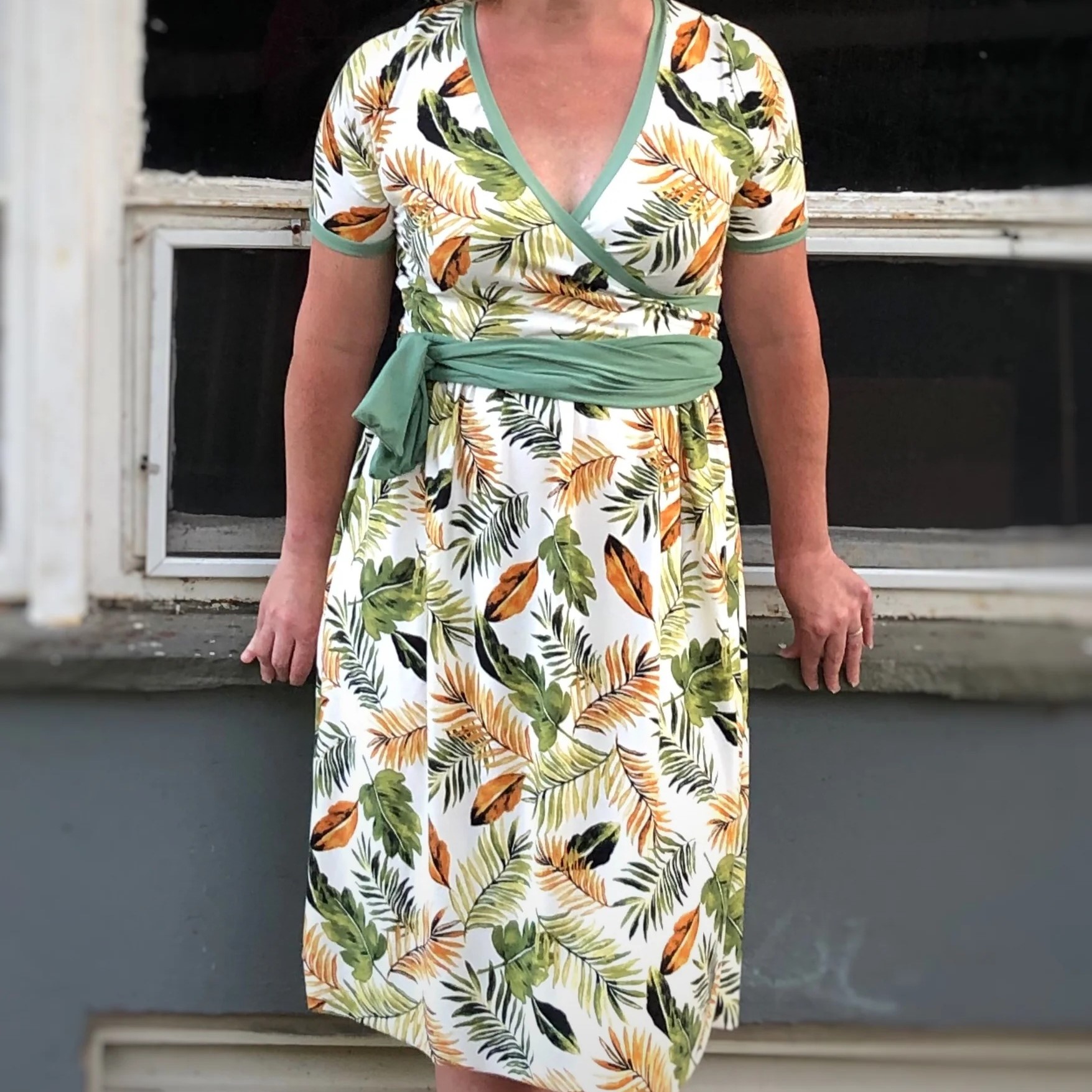 Tools and Materials Needed for Creating Wrap Dresses
Creating a wrap dress requires the right tools and materials. Using quality supplies simplifies the sewing process and ensures professional results.
Essential Sewing Tools
- Scissors: Invest in sharp fabric scissors for accurate cutting.
- Measuring Tape: Vital for ensuring correct measurements before cutting.
- Pins and Pin Cushion: Secure fabric pieces together with ease.
- Marking Tools: Use tailor’s chalk or fabric pens for marking cutting lines and adjustments.
- Sewing Machine: A reliable sewing machine speeds up the stitching process.
- Iron and Ironing Board: Press seams and fabric to create clean folds.
- Ruler: Helpful for straight edges, especially when drafting the wrap dress pattern.
- Thread: Select matching thread that’s durable and suits your fabric.
Additional Accessories to Enhance Your Creation
- Bias Tape: Perfect for finishing armholes and necklines neatly.
- Elastic: Use for flexible waistbands or comfortable accents.
- Decorative Trim: Add lace, ribbons, or other embellishments for a unique look.
- Fabric Clips: Alternative to pins, ideal for thicker fabrics.
- Zipper Foot Attachment: Useful if sewing decorative closures.
- Rotary Cutter and Cutting Mat: Streamline cutting tasks and achieve precision.
- Pattern Paper: Create or adapt wrap dress patterns with ease.
Having these tools and accessories ready simplifies crafting a wrap dress pattern. They ensure your sewing process is smooth and your finished product is stunning.
Step-by-Step Guide to Making a Wrap Dress Pattern
Creating a wrap dress pattern may seem complex but is simpler with guided steps. Follow these steps to craft a beautiful pattern with ease.
Measuring and Cutting the Fabric
- Take Accurate Measurements: Use a measuring tape to measure your bust, waist, and hips. Note these down for reference.
- Draft the Pattern: On pattern paper, sketch the bodice and skirt shapes based on your measurements.
- Include a wrap-over section for the bodice that allows for overlap.
- Ensure the skirt is slightly flared for ease of movement.
- Add Seam Allowance: Add an extra 1 inch around the edges of your pattern for sewing seams.
- Lay Out the Fabric: Place your fabric on a flat surface. Ensure it’s wrinkle-free for precise cutting.
- Pin the Pattern: Attach the pattern pieces to the fabric using pins to keep them in place.
- Cut the Fabric: Use sharp fabric scissors to cut along the pattern’s edges. Be precise to avoid mistakes.
- Mark Key Areas: Use tailor’s chalk to mark darts, folds, and other areas for sewing adjustments.
Constructing the Bodice and Skirt
- Start with the Bodice: Align the front and back bodice pieces together. Sew the shoulders and side seams.
- Attach the Wrap Panels: Stitch the wrap-over panels to the front bodice. Ensure even alignment for a neat finish.
- Add Darts or Pleats: Sew darts or pleats for a tailored fit at the bust and waist.
- Prepare the Skirt: Stitch the side seams of the skirt. Leave room for the wrap-over section if needed.
- Join Bodice and Skirt: Align the bodice to the skirt at the waistline. Pin them together and sew neatly.
- Attach Waist Ties: Sew ties at the sides or where the wrap overlaps for closure and adjustment.
- Hem the Edges: Finish all edges, including the neckline, armholes, and skirt hem, for a polished look.
Follow these steps carefully, and you’ll have a beautiful wrap dress ready to wear. Accuracy and patience are key to achieving professional results.
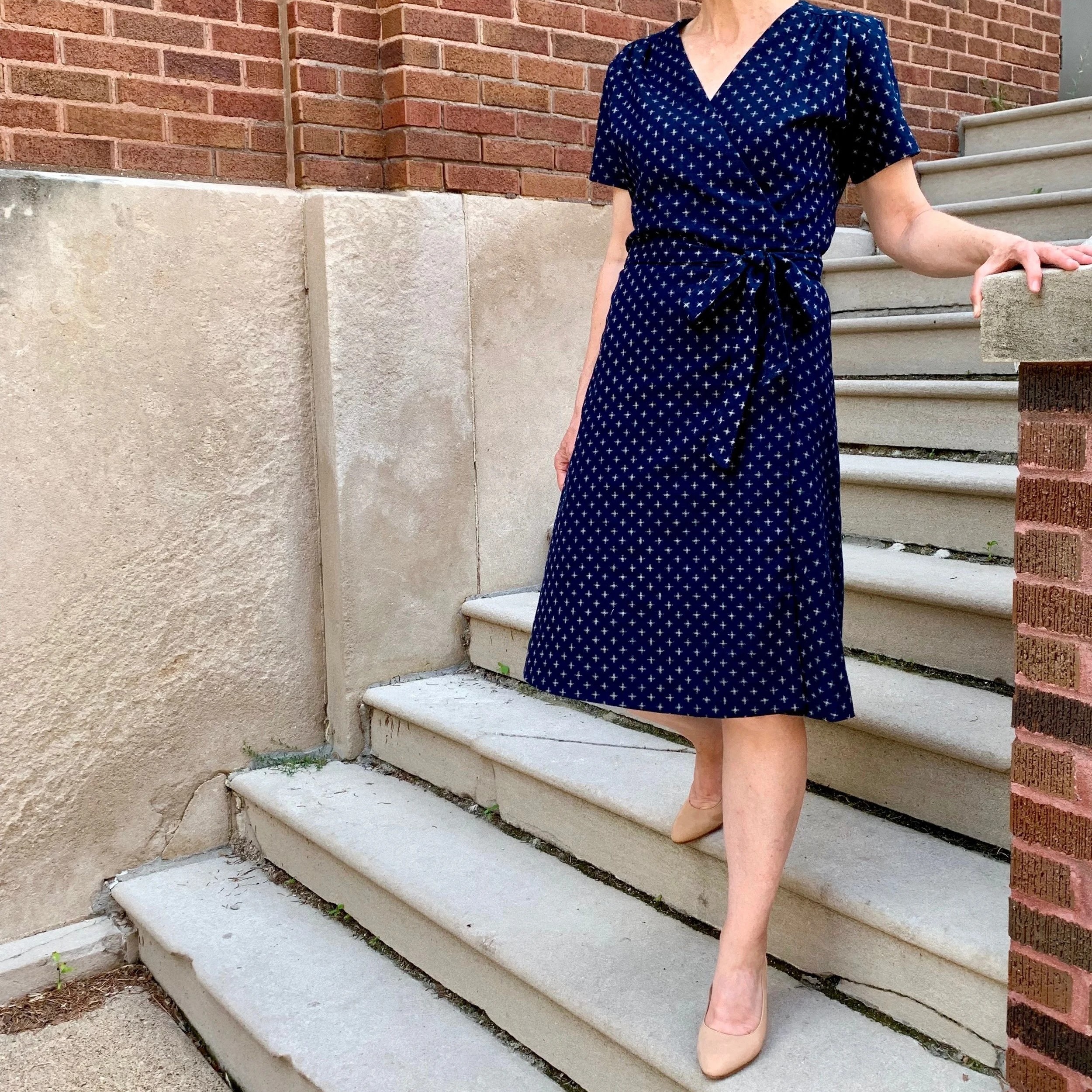 Fitting and Adjusting Your Wrap Dress
Proper fitting ensures your wrap dress looks and feels perfect. Adjustments enhance comfort and style.
Ensuring a Perfect Fit
- Try the Dress On: Always try the dress before finalizing adjustments. This helps identify problem areas.
- Check the Wrap Placement: Ensure the wrap-over section covers adequately without gaping or pulling.
- Adjust the Waist Ties: Customize the fit by tightening or loosening the ties at the waist.
- Fine-Tune the Shoulder Seams: If the shoulders sag, sew them tighter for proper alignment.
- Test Movement: Walk, sit, and bend to ensure the dress remains secure and comfortable.
- Evaluate Hem Length: Verify the hemline is even and suits your preferred style.
Common Challenges and How to Fix Them
- Gaping Neckline: Add a snap button or small stitch to secure the neckline.
- Loose Fit: Sew darts or take in the seams to create a snug fit.
- Tight Armholes: Use a seam ripper to expand armhole seams slightly for comfort.
- Incorrect Skirt Length: Re-hem the skirt to your desired length.
- Misaligned Wrap Panels: Re-pin and sew the panels correctly to ensure even alignment.
- Fabric Stretching: Reinforce stretched areas with interfacing or stabilizing tape.
With these fitting tips, your wrap dress will look tailored and elegant every time.
Styling Your Wrap Dress
Styling a wrap dress brings endless possibilities. Its timeless design fits formal and casual occasions. With the right combinations, your wrap dress can be both practical and fashionable.
Outfit Ideas for Different Occasions
- Casual Day Out: Pair your wrap dress with white sneakers and a denim jacket. Add a tote bag for practicality.
- Office Look: Choose a knee-length wrap dress and pair it with neutral-tone pumps. Accessorize with a structured handbag.
- Formal Event: Opt for a silk wrap dress and pair it with statement heels. Add a clutch and elegant jewelry.
- Summer Vibes: Wear a floral cotton wrap dress with flat sandals and a straw hat. Perfect for hot days.
- Winter Chic: Layer a long-sleeve wrap dress with a fitted coat and knee-high boots. Add a scarf for extra warmth.
- Date Night: Wear a body-hugging jersey wrap dress and heeled ankle boots. Add bold lipstick for a sultry vibe.
Be creative with your styling. Match the material and color of your wrap dress to the occasion.
Accessorizing Your Wrap Dress
- Belts: Replace the fabric tie with a leather or metallic belt for added style.
- Jewelry: For a minimalist look, choose earrings or a bracelet. For glamour, opt for bold necklaces.
- Shoes: Flats keep it laid-back, while heels elevate the outfit for special occasions.
- Bags: A crossbody works for casual events, while clutches are perfect for formal settings.
- Outerwear: Pair short wrap dresses with cropped jackets and longer ones with overcoats.
- Scarves: Add a lightweight scarf for spring or a wool one during colder months.
Styling your wrap dress is all about personal expression. Experiment until you find combinations that feel right for you.
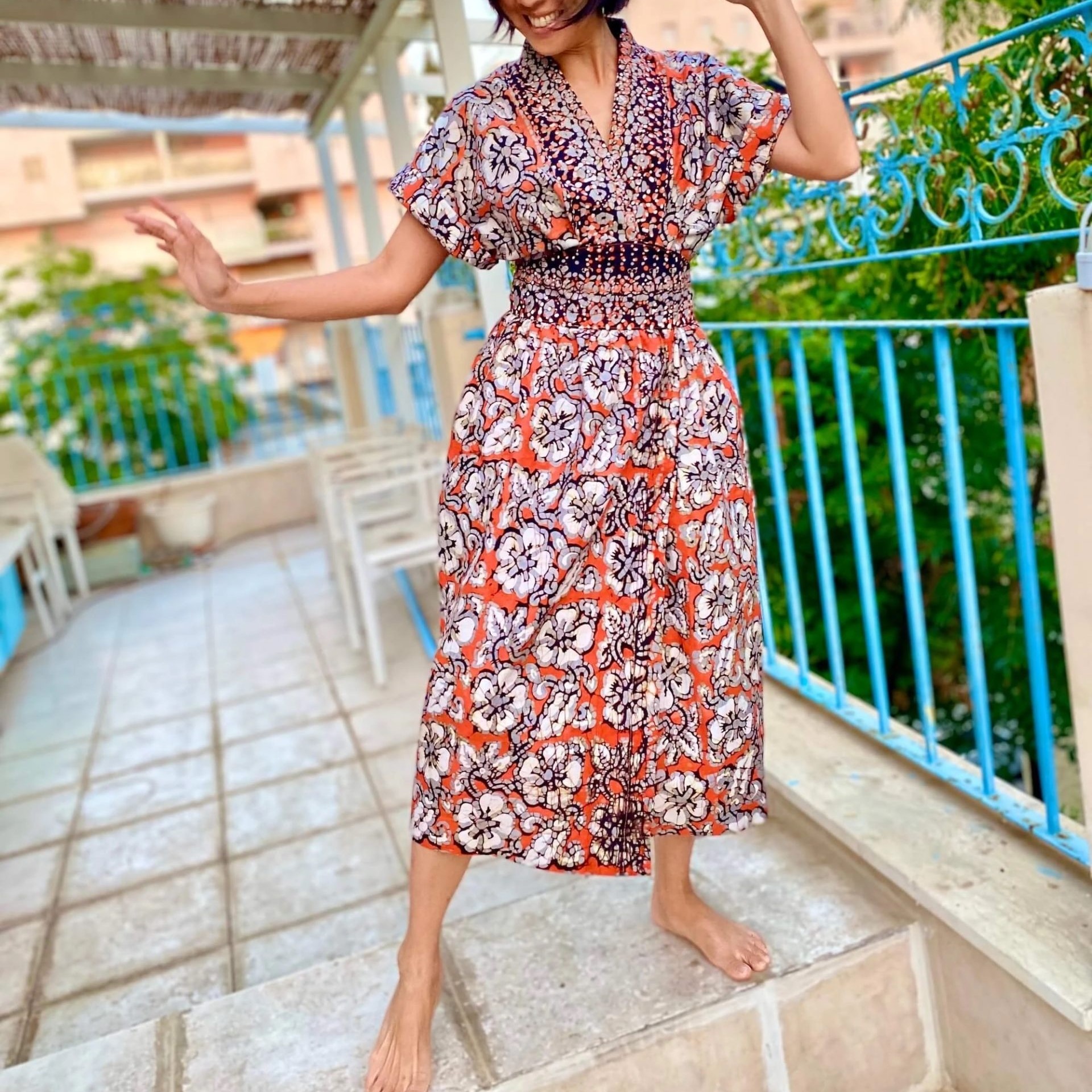 Tips for Beginners Making Wrap Dresses
Creating a wrap dress can feel overwhelming for beginners. Focus on learning essential skills first.
Common Mistakes to Avoid
- Skipping Measurements: Always take accurate body measurements before starting. Avoid guessing your size.
- Ignoring Seam Allowances: Add enough seam allowance while cutting. This avoids tight or ill-fitting dresses.
- Choosing the Wrong Fabric: For beginners, opt for easy-to-sew fabrics like cotton or jersey.
- Not Marking Key Points: Use tailor’s chalk to mark darts, folds, and stitching lines for clarity.
- Rushing the Process: Avoid rushing, as it can lead to uneven hems and misaligned panels.
- Skipping Test Fit: Always test the dress for fit before finishing the edges.
- Overlooking Pressing: Press seams as you sew for a polished and professional finish.
Minimizing these mistakes ensures your wrap dress project goes smoothly.
Helpful Advice for Your First Wrap Dress Project
- Start Simple: Choose a basic wrap dress pattern without intricate details like ruffles or pleats.
- Use a Sewing Guide: Follow a detailed step-by-step guide to stay on track.
- Cut Carefully: Lay fabric flat and check for wrinkles before cutting to ensure accuracy.
- Practice on Scrap Fabric: Test your stitches and techniques on spare fabric pieces first.
- Invest in Quality Tools: Use sharp scissors and a reliable sewing machine for efficient work.
- Watch Tutorials: Learn from video tutorials to understand sewing techniques visually.
- Ask for Feedback: Let a friend or mentor review your work for tips on improvement.
- Be Patient: Allow time for learning and avoid setting unrealistic deadlines.
By following these tips, your first wrap dress project will be enjoyable and successful.
Frequently Asked Questions
Common Concerns About the Wrap Dress Pattern
Can I use a wrap dress pattern with stretch fabric? Yes. Choose versions labeled for knits. Adjust seam allowances if needed.
Do I need a lining? Not always. But it adds structure and opacity. Use it with sheer or loosely woven fabrics.
How do I stop gaping at the bust? Perform a Full Bust Adjustment. Pinch out excess at the side seams. Ensure ties are long enough to secure fully.
Is it hard for beginners? No. Many patterns include detailed instructions. Start with simple designs.
Can I add pockets? Yes. In-seam or patch pockets work well. Add them during construction.
What needle should I use? Ballpoint for knits. Sharp or universal for wovens. Match weight to fabric.
Can I alter the length? Absolutely. Shorten or lengthen easily. Rebalance hem if needed.
Where can I buy wrap dress patterns? Online retailers, craft stores, and independent designers offer many options.
 Final Thoughts
Why the Wrap Dress Pattern Deserves a Spot in Every Sewer’s Collection
The wrap dress pattern continues to earn its place as a must-have in sewing circles. It combines elegance, function, and adaptability in one design. Whether you’re dressing for work, travel, or special occasions, it delivers confidence and comfort. Its forgiving fit suits changing bodies and personal styles. With thoughtful fabric choices and careful construction, your handmade version will stand out. More than just a project, the wrap dress pattern represents creativity and self-expression. As trends come and go, this classic style remains relevant. Ultimately, investing time in a wrap dress pattern pays off in wearable art that fits perfectly and feels uniquely yours.