A wrap dress sewing pattern offers endless possibilities for custom clothing. This classic design flatters many body types. It wraps across the front and ties at the side or waist. As a result, it creates a tailored look without zippers or buttons.
Moreover, using a wrap dress sewing pattern allows full control over fabric, fit, and finish. Whether you’re a beginner or an experienced sewer, this project delivers rewarding results. With so many variations available today, finding one that matches your style is easy. From casual cotton versions to elegant evening gowns, the wrap dress remains timeless.
 Introduction to Wrap Dresses
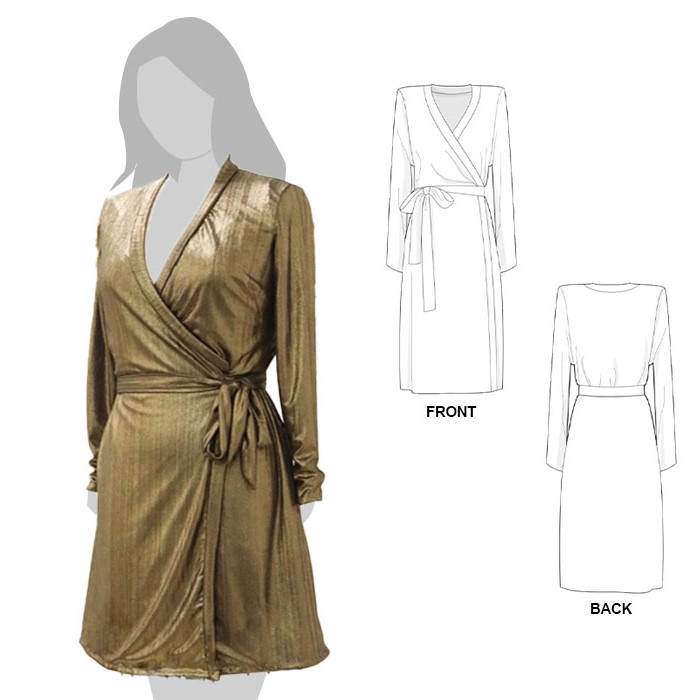
Wrap dresses are a timeless and versatile piece of clothing. They are known for their flattering fit and adjustable design. Here, we delve into their history, popularity, and benefits.
History and Popularity of Wrap Dresses
The wrap dress first rose to fame in the 1970s. Designer Diane von Fürstenberg popularized it with her iconic designs. However, versions of the wrap dress existed far before then. They were practical garments often worn for ease and style. Over the years, the wrap dress has become a wardrobe staple for many women. Its universal appeal lies in its adaptability to various body types and occasions. Whether worn casually or formally, it always exudes elegance. Celebrities and everyday fashionistas alike have made it a fashion favorite. Its enduring popularity proves its timeless charm.
Benefits of Wearing a Wrap Dress
Wrap dresses offer numerous benefits for the wearer. First, they suit almost all body shapes due to their adjustable fit. You can tie the dress tighter or looser based on your preference. Second, they provide a polished yet effortless look, perfect for various settings. Additionally, wrap dresses make transitioning from office wear to evening attire seamless. The style also aids in accentuating the waistline, creating a flattering silhouette. Furthermore, they are easy to wear, as they eliminate the need for zippers or buttons. Lastly, this dress style complements a wide range of fabric and pattern options. This makes it easy to create a wide variety of wrap dresses for every occasion.
Choosing the Right Fabric for Your Wrap Dress
Selecting the perfect fabric is crucial for a beautiful and functional wrap dress. The type, texture, and pattern of fabric can greatly influence the final design. Pay close attention to its comfort, durability, and appearance.
Types of Fabrics Best Suited for Wrap Dresses
- Jersey Knit: Soft, stretchy, and ideal for casual and versatile wrap dresses. It offers comfort and flexibility.
- Cotton: Lightweight and breathable, cotton works well for summer wear and day-to-day use.
- Silk: A luxurious option, perfect for formal occasions due to its flowy and elegant drape.
- Rayon: Affordable and easy to sew, rayon combines softness with a smooth finish for a polished look.
- Crepe: Textured and wrinkle-resistant, crepe fabric creates an understated yet sophisticated wrap dress.
- Linen: Great for warm climates, linen provides an airy, minimalist appeal but requires careful handling.
Tips for Selecting Fabric Patterns and Textures
- Match Patterns with Purpose: Use floral prints for casual dresses or solid colors for a chic, formal look.
- Consider Texture for Comfort: Smooth textures, like silk or cotton blends, work best for all-day comfort.
- Check Weight and Drapability: Lightweight fabrics drape beautifully and enhance the wrap design. Heavy fabrics may feel restrictive.
- Coordinate Colors: Choose colors that complement your skin tone and suit the occasion or season.
- Stretch Factor: Fabrics with a slight stretch, such as jersey knit, ensure better movement and fit.
Careful fabric selection ensures your wrap dress not only looks lovely but also feels good to wear. Prioritize quality and practicality to create a versatile and durable garment.
 Essential Sewing Tools and Materials
Having the right tools ensures success in sewing your wrap dress. Stock up on essential supplies and enhance your sewing experience with additional items.
Must-Have Sewing Supplies for Wrapping Patterns
- Fabric Scissors: Sharp scissors make clean and precise cuts for fabric.
- Measuring Tape: Measure accurately to create a perfect fit for your wrap dress.
- Pins and Clips: Secure fabric pieces in place while cutting and sewing.
- Needles: Choose sturdy needles that match your fabric type.
- Thread: Select high-quality thread that complements your fabric and adds durability.
- Marking Tools: Chalk or fabric markers help to outline patterns and placement marks.
- Iron: Press fabric thoroughly for smooth cutting and neat seams.
These tools simplify the preparation process and provide the foundation for accurate sewing.
Additional Tools to Enhance Your Sewing Experience
- Rotary Cutter and Cutting Mat: Speed up the cutting process and ensure consistent fabric shapes.
- Seam Ripper: Fix minor errors easily without damaging fabric.
- Dressform: Check fit and style as you sew on a dressform.
- Sewing Machine: Invest in a reliable machine for faster and easier stitching.
- Bias Tape Maker: Create neat edges for the wrap sections of the dress.
- Interfacing Material: Add stiffness or reinforcement where needed in your design.
Enhancing your tools enhances efficiency, creativity, and overall sewing quality for your wrap dress project.
Creating Your Wrap Dress Pattern
Designing your own wrap dress pattern is both creative and rewarding. You can customize it to match your fit and style preferences. Whether you draft a pattern yourself or opt for a ready-made one, both approaches offer flexibility in design choices.
Steps to Draft Your Own Wrap Dress Pattern
- Take Measurements: Measure your bust, waist, hips, and desired dress length accurately.
- Plan the Design: Decide on sleeve styles, skirt length, and neckline shape.
- Draft the Basic Bodice: Start by sketching the front and back bodice pieces on pattern paper.
- Create the Wrap Style: Design overlapping front panels with one side extending for the tie.
- Add Seam Allowances: Include a seam allowance of 1 inch for stitching flexibility.
- Cut and Test the Pattern: Use muslin fabric to test fit and adjust as needed.
- Finalize the Pattern: Make any final tweaks and transfer it to durable paper for repeated use.
Ready-to-Use Wrap Dress Patterns: Where to Find Them
- Online Craft Marketplaces: Platforms like Etsy often sell diverse digital wrap dress sewing patterns.
- Sewing Magazines: Sewing publications provide printable patterns with detailed instructions.
- Pattern Brands: Brands like Simplicity, McCall’s, or Vogue offer easy-to-follow options.
- Free Resources: Browse sewing blogs or DIY websites for free downloadable wrap dress patterns.
- Local Fabric Shops: Many fabric stores stock paper patterns tailored for beginners and advanced sewists.
Choosing between self-drafted and ready-made patterns depends on your skill level and time. Both options help you create a tailored, stylish wrap dress.
 Step-by-Step Sewing Instructions
Creating a wrap dress involves careful cutting and precise sewing techniques. Follow these steps for professional results.
Cutting Your Fabric Correctly
- Prepare Your Tools and Space: Gather fabric scissors, measuring tape, and your wrap dress sewing pattern. Work on a flat, clean surface.
- Pre-Wash Your Fabric: Wash and dry your fabric before cutting to avoid shrinkage later.
- Lay Out the Fabric: Spread your fabric flat and remove any wrinkles using an iron.
- Position the Pattern Pieces: Pin or clip your sewing pattern pieces onto the fabric as per instructions.
- Align With Grainlines: Make sure the pattern pieces align with the fabric’s grain for a natural drape.
- Cut Precisely: Use sharp scissors or a rotary cutter to carefully cut along the pattern lines.
- Mark Key Points: Highlight darts, notches, and fold lines using tailor’s chalk or fabric markers.
Correct cutting ensures your dress fits well and minimizes fabric wastage.
Sewing Techniques for a Flawless Finish
- Start With Baselines: Sew a straight stitch along the dress seams to join the fabric pieces.
- Reinforce the Seams: Use a zigzag stitch or serger to prevent fraying at the edges.
- Test on Scrap Fabric: Test stitch length and tension settings on scrap fabric before sewing the actual dress.
- Create Clean Hems: Use a rolled hem technique for a neat and polished look.
- Sew the Wrap Panels: Focus on sewing overlapping panels securely, ensuring they align perfectly.
- Add the Tie Closures: Attach the tie straps neatly to the dress’s edges as indicated in your pattern.
- Press for Perfection: Use an iron to press seams and hems for a smooth, professional finish.
Following these steps brings your design to life with clean lines and durable stitching.
Customization Ideas for Your Wrap Dress
Customizing your wrap dress allows you to personalize the design. You can modify its fit, style, or accents to make it truly unique. Here are creative ways to enhance your wrap dress.
Sleeves or Adjusting Lengths
- Choose Sleeve Styles: Add short, long, or flutter sleeves depending on the season and occasion.
- Attach Sleeves Easily: Use basic sewing techniques to join sleeve pieces to the bodice.
- Adjust Skirt Length: Shorten or lengthen the skirt for casual or formal looks.
- Create Layered Designs: Experiment with asymmetrical hemlines or layered lengths for a modern flair.
- Consider Fabric Matching: Ensure the sleeves or adjusted lengths match the fabric’s texture and drape.
- Test the Fit: Use muslin fabric to check sleeve or hem adjustments before final sewing.
Adding or modifying these elements lets you tailor the dress to your preferences.
Embellishments for a Unique Look
- Embroider Designs: Add floral or geometric embroidery to enhance visual appeal.
- Include Decorative Trim: Use lace, ribbons, or sequins along the edges or hems.
- Add Pockets: Integrate functional pockets for convenience without compromising style.
- Incorporate Buttons: Decorative buttons can serve as both accents and closures.
- Use Appliques: Sew or glue fabric appliques to create artistic patterns.
- Play With Tie Straps: Opt for fabric in contrasting colors or prints for eye-catching tie closures.
These embellishments give your wrap dress a bespoke appearance, reflecting your creativity.
 Troubleshooting Common Sewing Issues
Even experienced sewers encounter challenges when creating a wrap dress. Here are ways to solve them.
Fixing Fit Problems
Ensuring the perfect fit is crucial for your wrap dress. Here are common fit issues and solutions:
- Loose Bodice: Adjust the seams by sewing tighter or adding darts to achieve a snug fit.
- Gaping Neckline: Insert elastic along the neckline edge or reinforce it with interfacing to reduce gaping.
- Misaligned Wrap Panels: Re-pin the panels and sew carefully, ensuring the edges align perfectly.
- Tight Armscye: Widen the armhole carefully using seam allowance or by re-cutting slightly larger.
- Short Tie Straps: Extend them using leftover fabric or attach separate matching fabric pieces.
Test alterations using baste stitches before finalizing for precise adjustments.
Addressing Fabric and Sewing Machine Challenges
Fabric and machine issues can disrupt sewing. Follow these tips to avoid or fix such problems:
Fabric Issues:
- Fraying Edges: Finish edges using a zigzag stitch, serger, or pinking shears to prevent fraying.
- Shifting Layers: Secure layers with extra pins or clips to keep fabric pieces in place.
- Stretchy Fabric Distortion: Use a walking foot or stretch stitch while sewing jersey or knit fabrics.
- Difficult Fabrics (e.g., Silk): Stabilize delicate fabrics by placing tissue paper underneath while sewing.
Sewing Machine Challenges:
- Skipped Stitches: Change to a sharper needle or an appropriate type for your fabric.
- Tension Imbalance: Adjust the sewing machine tension settings to ensure even stitches.
- Thread Breaks: Use a high-quality thread and check that the machine is threaded correctly.
- Machine Jam: Clean lint from the bobbin case and ensure it’s properly installed.
By addressing these issues systematically, sewing your wrap dress becomes a smoother, stress-free experience.
Care and Maintenance of Your Wrap Dress
Proper care ensures your wrap dress lasts a long time. Regular maintenance keeps it looking fresh.
Washing and Storing Tips
- Read the Label: Check the care instructions specific to your dress fabric.
- Hand Wash Delicate Fabrics: Use mild detergent and cold water for silk or similar materials.
- Machine Wash Durable Fabrics: Wash cotton or jersey in gentle cycles with fabric-safe detergent.
- Avoid Over-Wringing: Gently squeeze water out without twisting or pulling the fabric.
- Air Dry When Possible: Lay flat or hang your dress on a padded hanger to avoid stretching.
- Iron Carefully: Use the recommended heat setting for your fabric to remove wrinkles gently.
- Store Properly: Hang lighter fabrics or fold heavier ones to prevent stretching or crease marks.
- Drawstring Bags for Special Dresses: Use breathable garment bags to protect from dust and light.
Minor Repairs and Alterations
- Fix Loose Seams: Use matching thread to re-sew small seam splits before they widen.
- Secure Fraying Edges: Trim frays and use fabric glue or a zigzag stitch to seal edges.
- Replace Damaged Straps: Sew new tie straps if existing ones become torn or worn.
- Reinforce Buttonholes: Stitch around stretched buttonholes to ensure durability.
- Mend Small Holes: Patch small fabric holes with matching scraps or iron-on patches.
- Adjust Fit Over Time: Let out seams or take in the waist to maintain a perfect fit.
- Check Elastic Areas: Replace worn elastic in sleeves or waistbands for continued comfort.
Caring for and maintaining your wrap dress ensures it remains stylish and functional for years.
Frequently Asked Questions
Common Concerns Answered by Experts
Do I need a serger? No. A regular sewing machine works. Use zigzag or stretch stitches for knits. Finish seams with pinking shears or bias tape.
Can I use stretch fabric? Yes. Knits work well. Adjust seam allowances if needed. Test tension on scraps first.
Is lining necessary? Optional. Sheer fabrics benefit from it. Petti-coats or slip linings reduce cling.
How do I prevent gaping? Tighten the tie or add snaps. Underlying camisoles help too. Adjust pattern for better fit.
Where can I buy fabric? Local stores, online retailers, or thrift shops. Buy enough for full pattern layout.
Are PDFs hard to assemble? Not really. Print pages and tape together. Use the test square to verify sizing.
Can men use these patterns? Some unisex versions exist. Alter women’s patterns for broader shoulders.
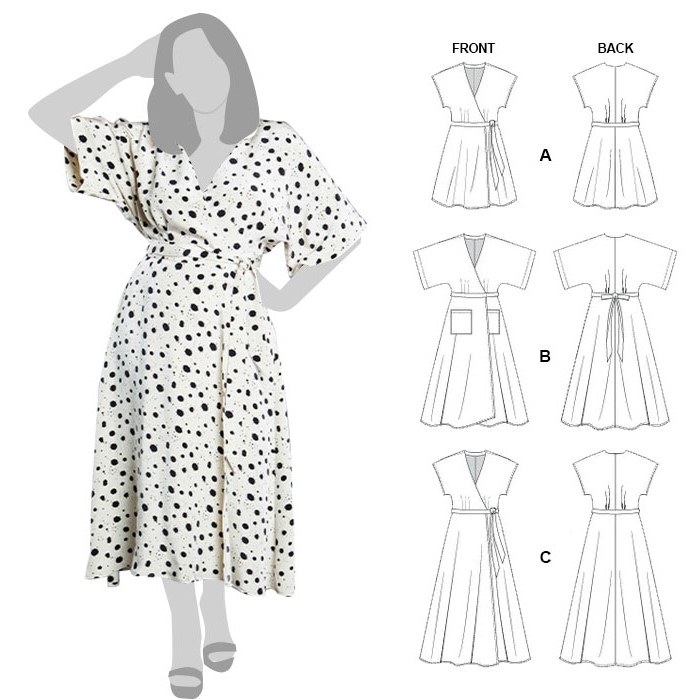 Final Thoughts on Mastering the Wrap Dress Sewing Pattern
Building Confidence Through Creative Projects
A wrap dress sewing pattern is more than a craft project. It builds skills, boosts self-expression, and promotes sustainability. Making your own clothes reduces waste and fast fashion reliance.
Each dress reflects personal taste. Color, fabric, and fit come from your choices. Pride grows with every finished piece.
Beginners gain confidence quickly. The wrap design hides minor flaws. Learning happens naturally through doing.
Experienced sewers explore advanced techniques. Insert zippers, change sleeves, or mix fabrics. The base pattern invites innovation.
In conclusion, the wrap dress sewing pattern empowers creativity and independence. Try one today and see how it fits your life. Because when passion meets purpose, the result is lasting joy—and the perfect wrap dress begins with the right pattern.